






18 November 2026: Volatile markets have made it increasingly important for wealthy individuals to look beyond investment performance and take a more deliberate view of how their full personal balance sheet is structured.
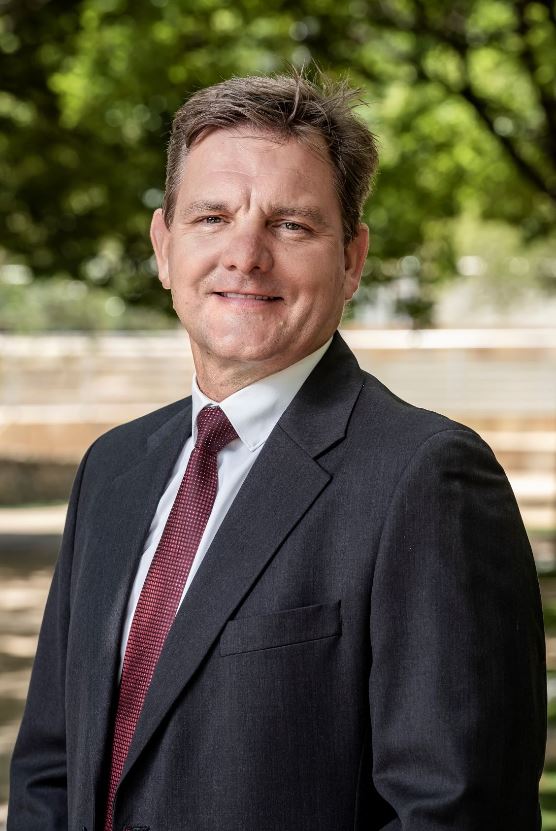
Eric Enslin, Managing Executive of FNB Private Banking and Advisory, says balance sheet optimisation is becoming a critical part of long-term wealth preservation as clients navigate elevated borrowing costs, uneven asset performance, currency volatility and increasingly complex local and offshore wealth structures.
“High-net-worth individuals (HNWI) often have sophisticated assets, but those assets do not automatically translate into an efficient or resilient wealth position. Balance sheet optimisation shifts the conversation from isolated investment decisions to a more complete view of wealth and helps high-net-worth individuals understand whether their assets, debt, liquidity and long-term plans are aligned,” says Enslin.
Research confirms Enslin’s argument. While global wealth has continued to grow, the environment facing private clients is becoming steadily more complex. Capgemini’s World Wealth Report 2026 found that global high-net-worth individual wealth rose by 8.7% to reach US$98.3 trillion by the end of 2025, while the global HNWI population increased by 7.9 percent to 25.3 million people. At the same time, the report found that only 17% of HNWIs feel their wealth advisory experience is seamless and personalised, highlighting the need for more integrated advice.
Enslin points out that, in South Africa, this need for integrated advice is particularly relevant, given that the portfolios of affluent individuals here typically span an array of assets, from property, businesses and local and offshore investments to trusts, retirement assets, insurance policies, credit facilities and family wealth structures.
Enslin says, “While many wealthy South Africans review their investments regularly, few apply the same discipline to their broader balance sheet. This can result in unnecessary borrowing costs, idle liquidity, concentration risk, inefficient asset ownership, currency mismatches and estate planning gaps.”
These inefficiencies are often connected. Excess cash may sit idle in one part of a client’s portfolio while expensive debt is carried elsewhere. An asset may deliver a reasonable return on paper, but look less attractive once funding costs, currency exposure, tax implications or liquidity constraints are considered. Similarly, wealth may be well diversified from an investment perspective but still exposed to risk if the underlying ownership and funding structures are not aligned.
This is why the cost of capital has become an important part of balance sheet optimisation. The South African Reserve Bank listed the policy rate at 7.25 percent and the prime lending rate at 10.75 percent as of 25 September 2026, which keeps borrowing costs elevated for clients using debt to fund property, business interests, lifestyle assets or investment opportunities.
“Debt is not automatically negative in a high-net-worth balance sheet. When used appropriately, it can support liquidity, growth and opportunity,” says Enslin. “However, every liability should have a clear purpose. Clients need to understand the cost of that capital, how it compares with the return or strategic value of the asset it supports, and whether the structure remains appropriate as conditions change.”
He emphasises that balance sheet optimisation is also about resilience. In volatile markets, an individual may be asset-rich but liquidity-constrained, especially when his or her wealth is tied up in property, private businesses or long-term offshore investments. A deliberate liquidity strategy can help avoid forced asset sales, meet family or business commitments and take advantage of opportunities when markets dislocate.
Enslin says that private banking is no longer only about access to products but about helping clients connect every part of their financial lives. “For most HNWIs, the goal is not only to grow wealth, but to preserve it, access it efficiently and transfer it responsibly,” says Enslin. “This requires integrated advice across banking, lending, investments, insurance and fiduciary planning, so a well-structured balance sheet can be the difference between wealth that is simply accumulated and wealth that is protected, purposeful and built to endure.”