






Tana Malinga
Brewsters Academy’s Beverage Entrepreneurship Conference brings together Siboniso Makhaye, Zanda Isaacs, Kefilwe Moroane and leading industry voices to show how African ideas can become powerful, investable brands.

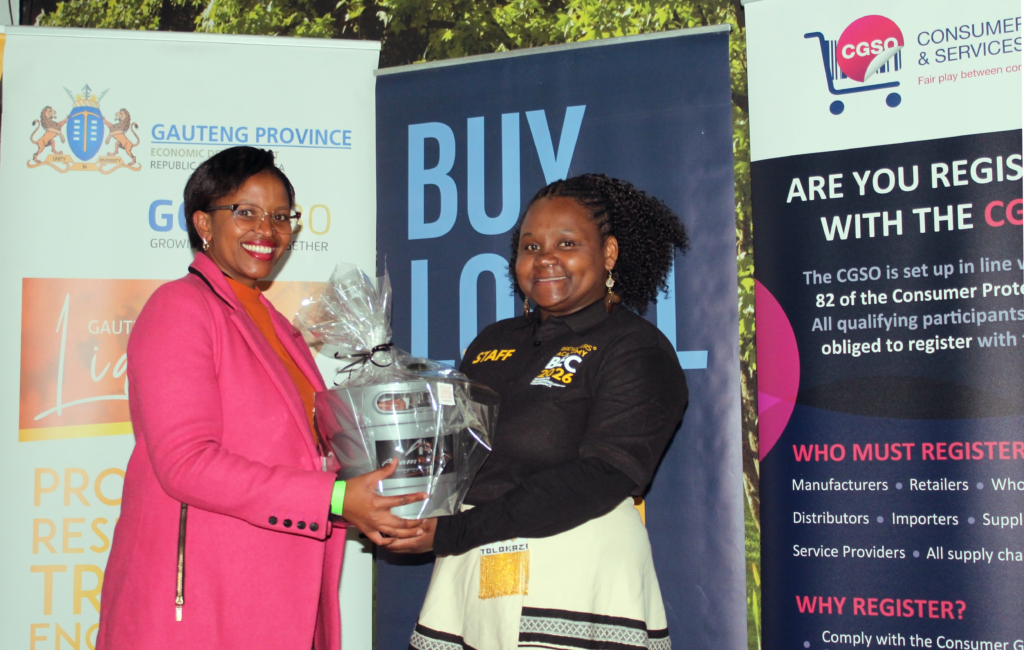
Something bigger than beverages was brewing at the Brewsters Academy Beverage Entrepreneurship Conference 2026 at Melrose.
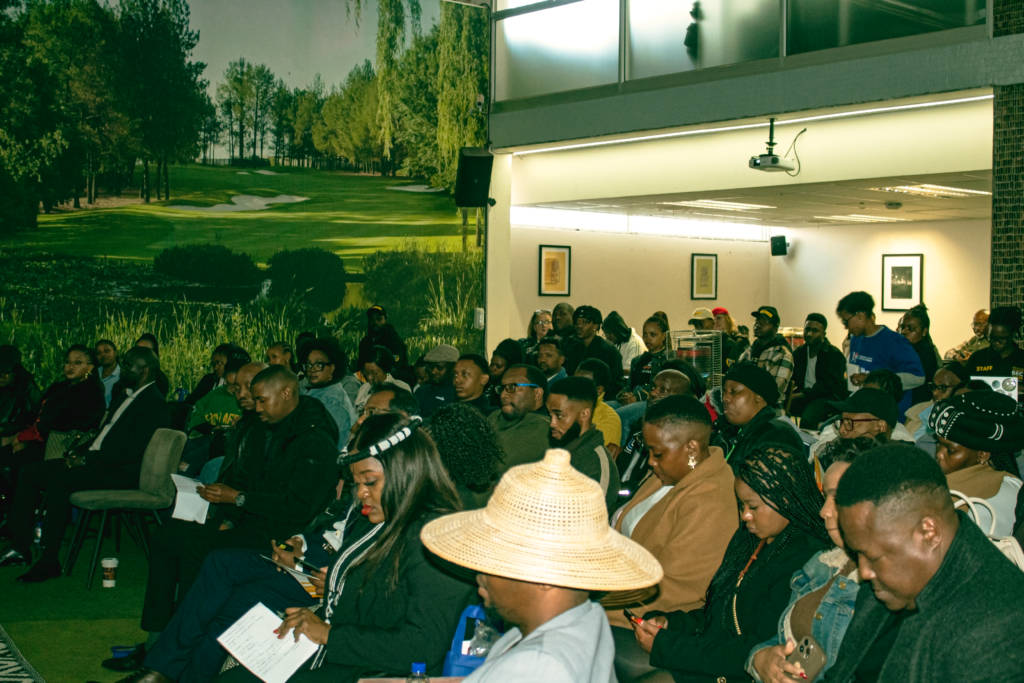
The gathering brought together beverage entrepreneurs, manufacturers, suppliers, regulators, brand specialists and industry leaders for a practical conversation about what it really takes to move from recipe to retail.
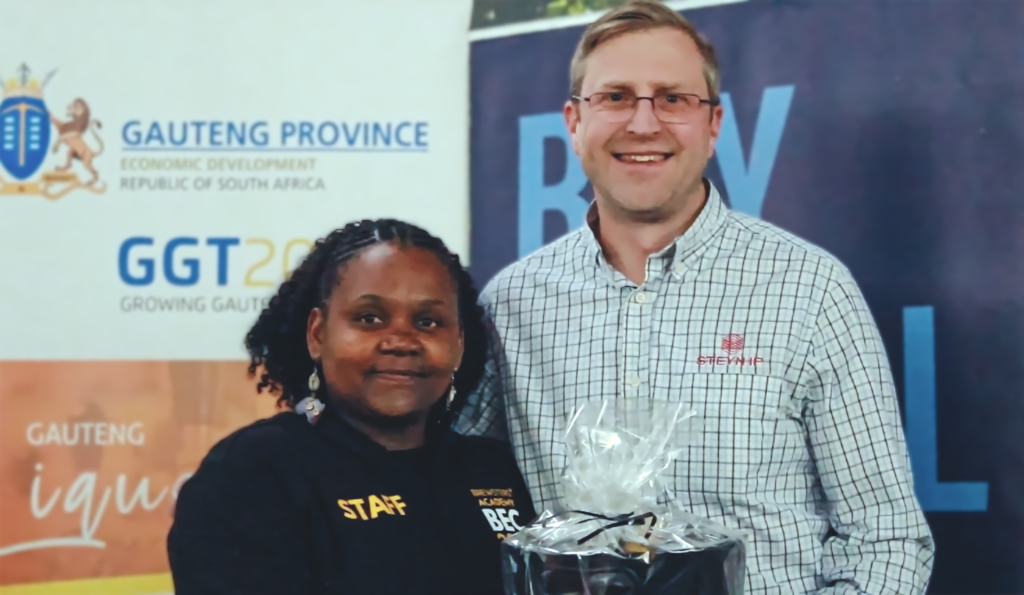
Apiwe Nxusani-Mawela, entrepreneur, brewer and industry leader and Gerard du Toit, a trade-mark attorney and intellectual-property specialist
At the centre were three entrepreneurs whose journeys captured the spirit of the conference: Siboniso Makhaye of Msiza Beer, Zanda Isaacs of Ting Tang Tea and Kefilwe Moroane of Adam Rocks Gin.

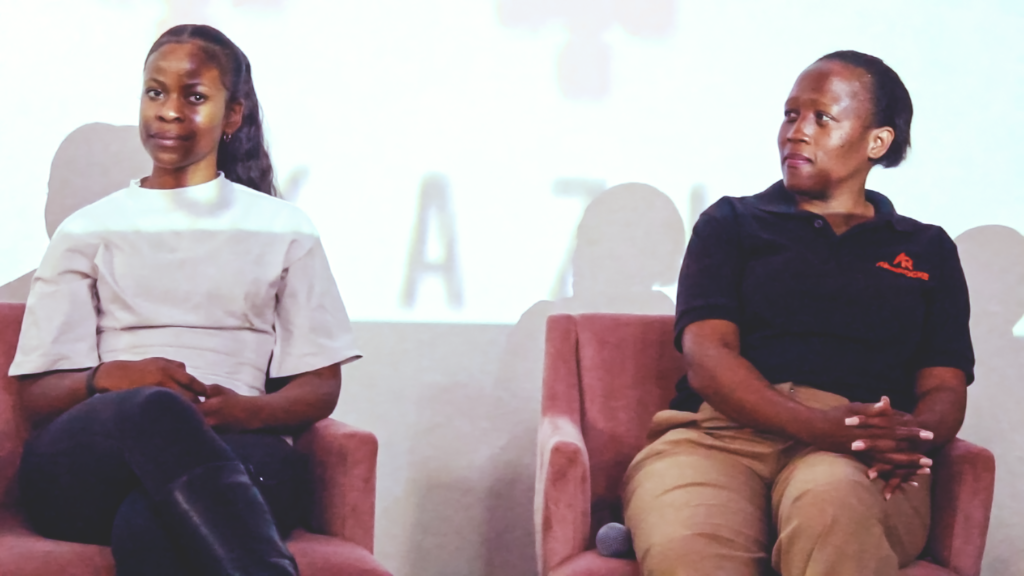
Their businesses are different, but their formula is remarkably similar, turn an authentic story into a product, and turn that product into a sustainable business.

FROM MOBILE BAR TO MSIZA BEER
For Siboniso Makhaye, the journey started with a vintage mobile-bar business before evolving into a licensed brewery and the creation of Msiza Beer, a Pretoria-based premium craft-beer brand.
The business has expanded beyond the bottle into brewery experiences, tastings, mobile bars, event catering and draught services, demonstrating how an entrepreneur can build an entire commercial ecosystem around one product.
Makhaye’s story offers a powerful lesson: start with what you have, understand your market and keep building.
It is precisely the kind of entrepreneurial progression that makes beverage businesses attractive to partners looking beyond a single product towards hospitality, events, retail and experiential opportunities.

THREE GENERATIONS, ONE BRAND
Zanda Isaacs, co-founder of Ting Tang Tea, represents another powerful route to entrepreneurship: transforming family knowledge into commercial innovation.
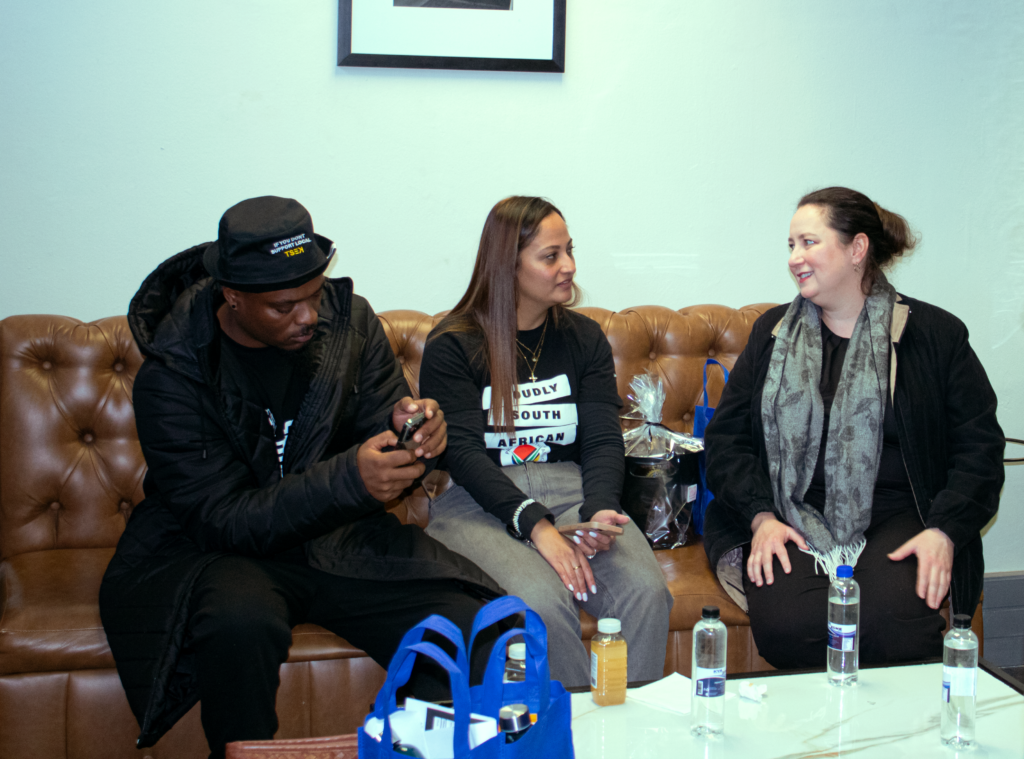
Isaacs grew up watching her mother, Sibongile Isaacs, prepare herbal teas using knowledge passed through generations. At 19, Zanda began taking the business seriously, with her mother investing about R2,000 in initial stock and packaging while Zanda developed the website, logo and packaging.
Today, Ting Tang Tea has evolved into a South African wellness brand built around African ingredients and indigenous knowledge, including rooibos, moringa and cancer bush.
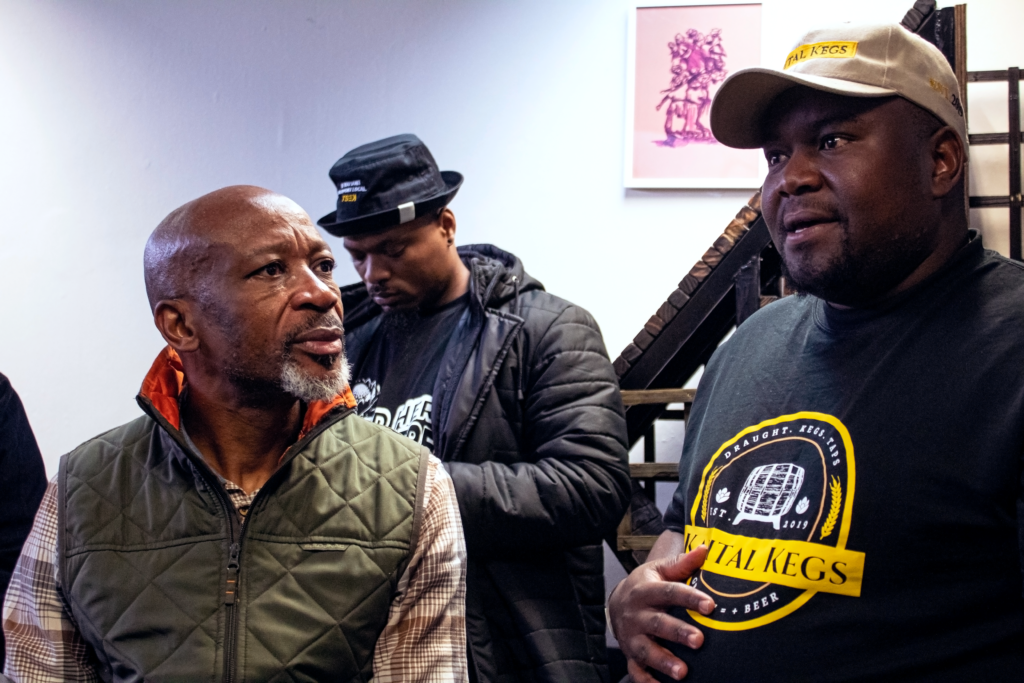
Its philosophy is beautifully captured in Isaacs’ words:
“With each additional step, the path becomes clearer.”
The brand’s journey, including its national exposure through SABC1’s It Started With A Thought, demonstrates how indigenous knowledge can become a modern commercial proposition connecting wellness, agriculture, women entrepreneurship, manufacturing and retail.


DISTILLING LEGACY INTO ADAM ROCKS
For Kefilwe Moroane, founder of Adam Rocks Gin, the product is deeply personal.The brand’s name carries her family story: Adam comes from her father’s name, while Rocks was her grandfather’s nickname.
Inspired by her grandfather’s relationship with gin, Moroane transformed family memory into a handcrafted spirits brand featuring African botanicals including rooibos, peppercorn and bay leaves.

Following her grandfather’s death in 2025, the brand took on an even deeper meaning , becoming a tribute to family, heritage and resilience.
Adam Rocks demonstrates the power of emotional branding: consumers may taste a product, but they remember a story.
Moroane’s ambitions extend beyond South Africa, with the brand offering the possibility of connecting African flavour and heritage with international markets.
THE EXPERTS BEHIND THE BUSINESS
The entrepreneurs were not alone.
The conference brought together respected industry voices who addressed some of the less glamorous, but critical realities of building a beverage company.
Gerard du Toit, a trade-mark attorney and intellectual-property specialist, brought attention to brand protection and intellectual property, a crucial consideration for entrepreneurs investing in names, logos, packaging and product identities.
Alison Levesley, a regulatory specialist, tackled the equally important journey of “recipe to retail”, reminding entrepreneurs that a great beverage must also meet the regulatory requirements necessary to reach consumers legally and successfully.
And Apiwe Nxusani-Mawela, entrepreneur, brewer and industry leader, added valuable perspective from years of experience within the African brewing landscape.
Other industry stakeholders and speakers further strengthened the conference’s focus on manufacturing, compliance, funding, market access, branding and growth.
That combination was significant.
Because knowing how to make a beverage is only one part of the equation.
Knowing how to protect it, manufacture it, finance it, distribute it, market it and scale it is what turns a beverage idea into a business.
WHY SPONSORS SHOULD BE PAYING ATTENTION
The conference also revealed why beverage entrepreneurship deserves greater attention from corporate South Africa.
A successful beverage brand can activate an entire value chain, agriculture, manufacturing, packaging, logistics, hospitality, retail, tourism, entertainment and employment.
For sponsors and investors, that creates opportunities around women-owned enterprises, Black industrial participation, township entrepreneurship, local procurement, skills development, experiential marketing and export growth.
Brewsters Academy’s conference was therefore more than a networking event. It created a meeting point between entrepreneurs and the ecosystem they need to succeed, manufacturers, suppliers, regulators, distributors, investors and business specialists.
THREE BRANDS. ONE AFRICAN OPPORTUNITY.
Makhaye is brewing experiences.
Isaacs is turning indigenous knowledge into wellness.Moroane is distilling family legacy into a premium African brand.
Together, they challenge the idea that Africa should merely be a consumer of international beverage brands.
Africa can also be the creator, owner and exporter of brands capable of competing on the world stage.
And perhaps that is the most powerful takeaway from Brewsters Academy’s Beverage Entrepreneurship Conference 2026:
The future of the beverage industry may not simply be about what is poured into the glass.
It may be about whose story is on the bottle , who owns the brand, who creates the jobs, who controls the value chain and how far that African story can travel.
For entrepreneurs, investors and sponsors willing to look beyond the label, that is where the real opportunity is brewing.
IMAGES: CREDIT TO SIYA HLONGWANE