



Tana Malinga
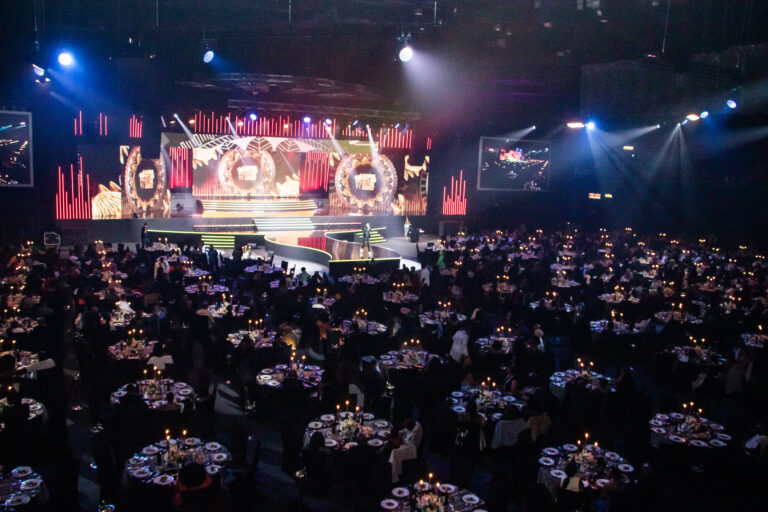
The applause may have faded, the trophies may have been carried home, but the message from the 2026 Empowerment and Recognition of Women in Construction (ERWIC) Awards is still reverberating across South Africa’s construction industry: women are no longer waiting for a seat at the table, they are building the table.
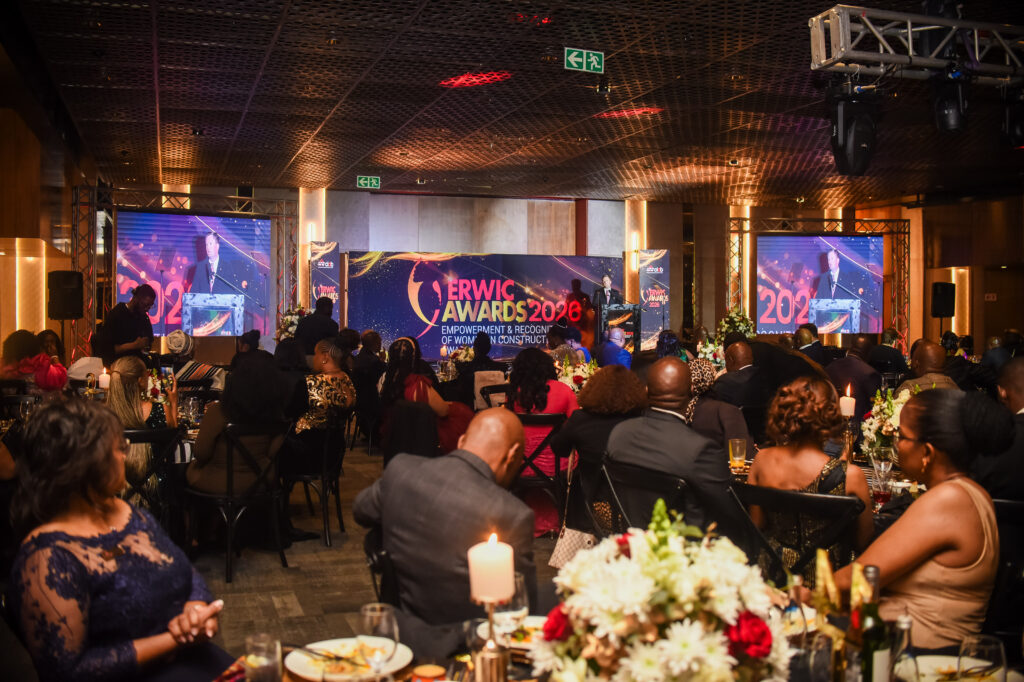
Held in Johannesburg on 18 August during Women’s Month, the annual Construction Industry Development Board (cidb) awards turned the spotlight firmly onto women whose ideas, companies, projects, leadership and determination are reshaping the built environment.

From housing developments and roads to healthcare facilities, schools, electrical infrastructure and design, the 16 award categories showcased something far greater than individual achievement, a construction sector being transformed by women who are delivering, innovating, mentoring and leading.
And perhaps most significantly, the 2026 awards arrived at a deeply symbolic moment.
South Africa is marking 70 years since more than 20 000 women marched to the Union Buildings against apartheid pass laws, while 30 years have passed since 9 August was formally established as a day to honour that historic resistance.
Seven decades later, the spirit of those women found a new expression, not on the steps of the Union Buildings, but on construction sites, in boardrooms, universities, project offices and communities across the country.
FROM RESISTANCE TO REBUILDING
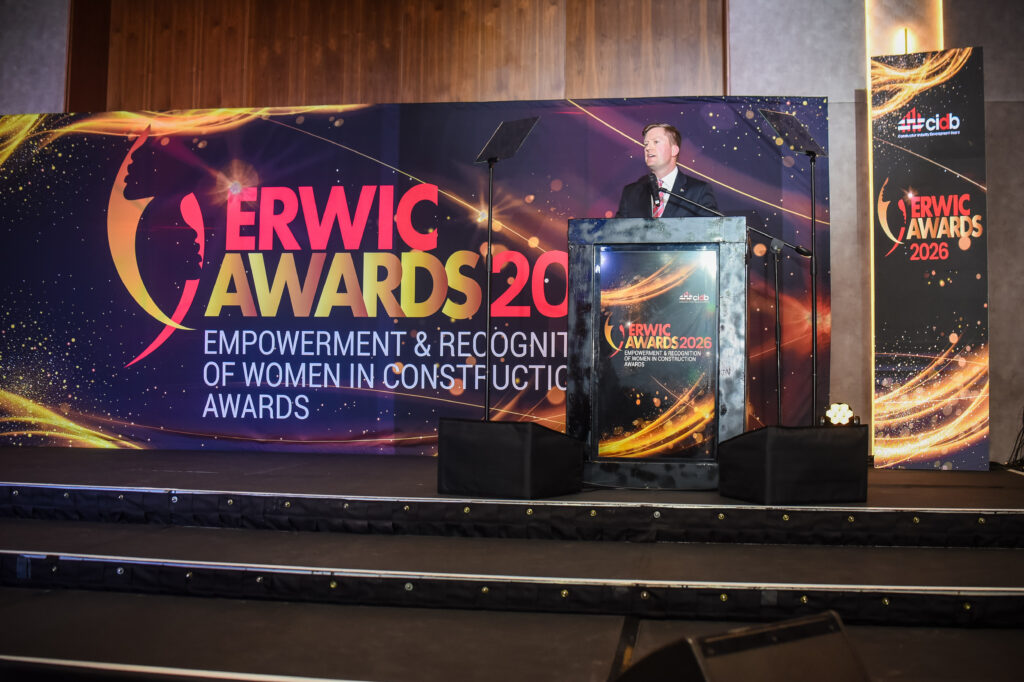
Public Works and Infrastructure Minister Dean Macpherson told the gathering that government must continue to “kick down the doors of opportunity” so that women can compete and win in the open construction market.
The numbers suggest that momentum is building.
Award entries have doubled in just two years, reaching 160 entries in 2026, while women now account for 53% of beneficiaries supported through professional skills and capacity-development interventions.
Government has also reaffirmed its commitment to a R300-million construction fund aimed at supporting women-owned companies.
The challenge now is to ensure that these opportunities translate into sustainable businesses, meaningful contracts and lasting ownership.
THE WOMEN WHO TURNED VISION INTO STRUCTURES
The evening belonged to an extraordinary collection of women and organisations whose work demonstrates that empowerment is most powerful when it produces tangible results.
Galo Maarohanye of GVM Civils took Project Delivery Excellence of the Year in the Grade 1 category for renovations to Kgodisong Flea Market, while Shai Tshiskule of Livhone Advisory claimed the Grade 2–4 category for the design and construction of a warehouse extension and mezzanine office for ZF Lemförder South Africa.
In the Grade 5–6 category, Johanna Mokoenene of Lebohile Construction was recognised for the Naledi Development, involving the construction of 26 housing units.
Thoko Tshabalala-Shandu of VEA Road Maintenance & Civils won the Grade 7–9 category for the emergency reconstruction of the Evaton Municipal Access Road.
The Rural Project of the Year went to Matlakala Radebe of Qualicon Construction for the Borwa Primary Healthcare Clinic, while Rene Bengu of Rene Forbay Designs earned Interior Design and Build Project of the Year for the TLS Centurion project.
In specialised construction, Mpho Bantsijang of Loago Electrical and Construction was recognised for the supply, delivery and construction of 2.5km of diamond-mesh security fencing at Nongo’s Joint Project.
The awards also celebrated the people building the industry from within.
Sanele Ndlovu of Magnacorp Project Managers was named Mentoring Entity of the Year for learnerships, skills programmes, workplace learning initiatives and project-based opportunities.
Protilagor Laboratory and Construction took Transformation Entity of the Year for advancing female participation in technical, managerial and leadership roles.
Innovation shone through with Sonto Cheryl Sikhakhane of Zimisele Afrika Consulting, recognised as Innovative Entity of the Year for the Langalibomvu High School project.
The next generation was also placed firmly in the spotlight, with Ayanda Phumo of Ayanda Phumo Consulting named Youth-owned Woman Construction Entity of the Year.
Noko Ramasenya of Noleo Projects received the Woman-owned Construction Entity of the Year award.
MENTORS, ACADEMICS AND WOMEN WHO OPEN DOORS FOR OTHERS
The celebration extended beyond contractors and projects.
Thato Mapuleng Elsie Mokhothu of RTT Africa Legacy/Thato M Foundation was named Woman Mentor of the Year, while Katlego Charlotte Pfupa of Crystal Construction received the Women with Disability Contractor of the Year award.
Tshidi Mndzebele of AvenirHoldings was honoured as Exceptional Woman in Construction Contributor of the Year and later received the prestigious Chairman’s Award.
Academic Excellence in the Construction and Built Environment Sector went to Xolile Nokulunga Mashwama of Walter Sisulu University, underlining the importance of education and knowledge in building the industry of tomorrow.
Meanwhile, Carol Phiri, Chairperson of the Portfolio Committee on Public Works and Infrastructure, was recognised for her leadership in industry transformation and parliamentary oversight.
“EMPOWERMENT IS A SITE PLAN BROUGHT TO LIFE”
For cidb CEO Bongani Dladla, the awards were never simply about trophies.
He described the winners as women whose vision, determination and achievements are transforming construction and shaping the South Africa that future generations will inherit.
The Women’s Month theme, “Empowered Women Empower the Nation,” could hardly have found a more fitting stage.
As Dladla put it, empowerment must move beyond a slogan, becoming a site plan brought to life, a contract signed, a team inspired and a project completed.
That message cuts to the heart of what ERWIC represents.
Because true transformation is not measured only by how many women enter the industry. It is measured by how many remain, grow, win contracts, employ others, own assets, mentor newcomers and ultimately become the leaders who make the path wider for those coming behind them.
THE NEXT BUILD MUST BE BIGGER
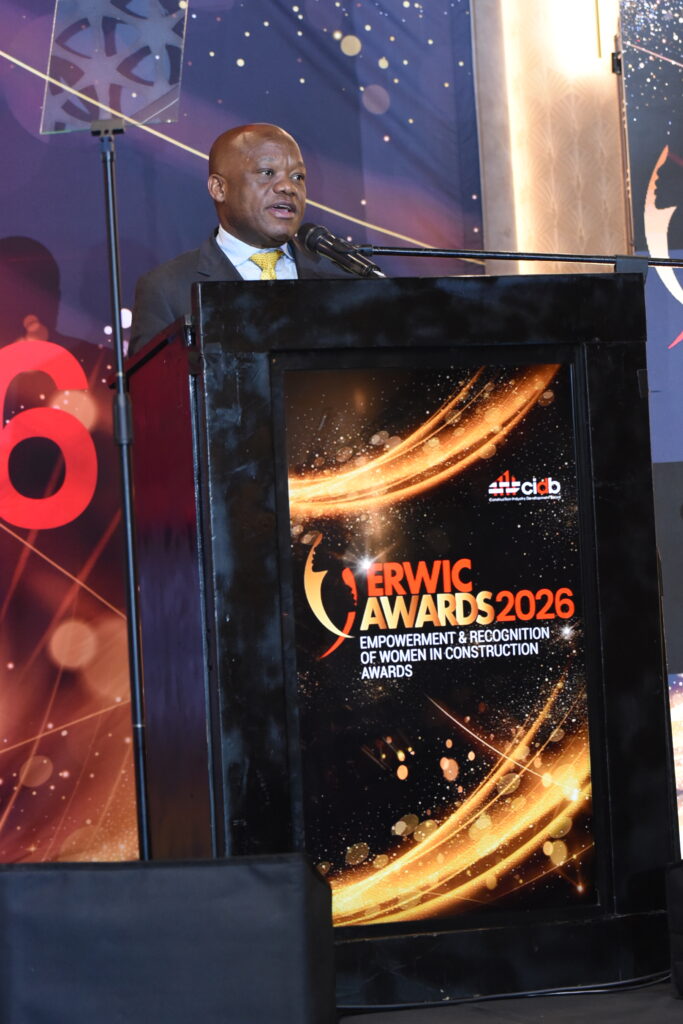
Deputy Minister Sihle Zikalala, closing the event, reinforced the need for women to receive a larger share of project opportunities comparable with their male counterparts.
Government, he stressed, has an important oversight responsibility to ensure that this growth becomes reality.
Dladla issued an equally powerful challenge: as South Africa reflects on the 70th anniversary of the historic women’s march, the construction industry must recommit itself to a future where a woman’s success is not an exception, but an expectation.
That may ultimately be the most important trophy ERWIC 2026 placed on the table.
Because the women celebrated in Johannesburg are not simply constructing buildings, roads, clinics and businesses.
They are constructing possibility.
They are proving that empowerment can be measured in concrete, steel, contracts, skills, jobs, innovation and completed projects.
And if the women of 1956 marched so that future generations could stand freely, the women of today are building so that those generations can stand taller, live better and inherit an industry where their gender is never a barrier to how high they can build.
The foundation has been laid.
Now South Africa must build higher.
IMAGES CREDIT TO: JUNIOR MAFOKATE