



The City of Johannesburg Executive Mayor, Dada Morero, has reaffirmed the City’s commitment to strengthening partnerships with the business sector and accelerating economic growth initiatives aimed at revitalising Johannesburg’s economy.
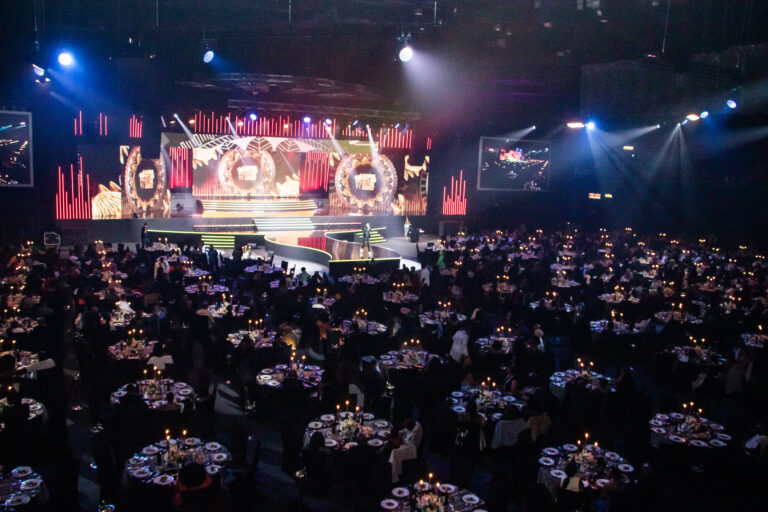
Speaking during the Integrated Development Plan (IDP) Business Stakeholders Engagement Session on Wednesday, Morero emphasised the importance of creating a conducive environment for businesses to thrive, while advancing strategic development initiatives across the city.
“We must continue to strengthen our support for businesses in the City of Johannesburg, particularly in relation to our spatial development framework and economic transformation agenda,” said Mayor Morero.
The mayor announced that the City has developed a draft Economic Growth Strategy, which is currently undergoing governance approval processes before being tabled before Council. The strategy is expected to guide structured engagement with the business sector and unlock opportunities for investment and economic expansion.
“We now have a draft Economic Growth Strategy which, once approved, will enable us to strategically engage business and unlock the issues that businesses require in order to thrive,” he said.
Morero further highlighted the City’s focus on Priority Economic Zones through the District Development Model, supported in partnership with the Department of Trade, Industry and Competition (DTIC).
“Our engagement with the Department of Trade and Industry will help us drive the development of economic zones throughout Johannesburg. These strategic areas are critical in stimulating economic activity and investment,” he added.
The City is also intensifying investment in water infrastructure, including reservoir construction, pipe replacement programme and new pump stations aimed at ensuring reliable water supply to both residents and businesses.
“Water infrastructure remains a key priority because businesses require reliable access to water in order to operate effectively,” said Morero.
The City continues to engage organisations such as the Johannesburg Chamber of Commerce and Industry, property owners and other stakeholders on a monthly basis to strengthen collaboration and unlock investment opportunities.
Major urban renewal initiatives are also underway across Johannesburg, including Phase Two of the Lilian Ngoyi Street revitalisation programme, reinstatement of fibre infrastructure, complete street upgrades, pavement rehabilitation, public furniture installations and broader beautification projects aimed at creating a world-class African city.
In the south of Johannesburg, the Southern Farms Urban Design Framework is expected to unlock mixed-use residential and commercial developments, including approximately 40 000 mixed housing opportunities and associated commercial spaces aimed at stimulating local economic activity.
The Mayor further highlighted investments in transport infrastructure, road resurfacing, bridge rehabilitation and the revitalisation of strategic economic nodes such as Wynberg and the inner city.
As part of efforts to improve the ease of doing business, the City has significantly reduced turnaround times for building plan approvals and electricity connections, while continuing to streamline processes related to rates clearance certificates and business approvals.
“We are focused on reducing the cost of doing business in Johannesburg while ensuring that both formal and informal enterprises are supported,” Morero said.
The City’s Department of Economic Development continues to drive SMME support programmes through Opportunity Centres located across all regions of Johannesburg. These centres provide financial and non-financial support, business management training, enterprise development support, market access facilitation and compliance assistance for small businesses.
The City has encouraged SMMEs to take advantage of these programmes and partnerships established with organisations such as Jozi My Jozi, the National Empowerment Fund, the Industrial Development Corporation and Sun International.
The engagement session also provided an opportunity for business leaders, community stakeholders and youth representatives to raise concerns and propose innovative ideas aimed at driving inclusive economic growth.
Stakeholders called for increased support for the green economy, including the conversion of open spaces into recycling hubs, skills development centres and clean economy projects capable of creating sustainable jobs for young people and marginalised communities.
Responding to questions raised during the engagement, the City’s Department of Economic Development, Executive Director Mathopane Masha, confirmed that the City has already issued more than 1 500 informal trading permits as part of efforts to formalise and regulate informal trading while ensuring orderly urban management.
Masha said the City is expanding the programme beyond the Johannesburg inner city into other regions including Jabulani and Alexandra, while working closely with organised trader formations and business forums to manage trading spaces effectively.
The Department further highlighted ongoing SMME support interventions through Opportunity Centres, as well as collaborative programmes focused on green economy initiatives, recycling and waste management.
The City reiterated its commitment to strengthening partnerships with the private sector, communities and organised business in order to build a safer, cleaner, investment-friendly and economically inclusive Johannesburg.
ISSUED BY THE CITY OF JOHANNEESBURG