




In 2024, South Africa’s two-pot retirement system fundamentally changed how retirement savings can be accessed and preserved. While early discussions focused on how the system works, the more important conversation now centres on how employees are using it – and what this means for their long-term financial security.
For organisations that offer retirement funds as part of employee benefits, the two-pot system presents a valuable opportunity to strengthen financial education in the workplace and help employees understand how short-term financial decisions can impact long-term outcomes.
Under the system, new retirement contributions are split between:
- a retirement pot, which must remain invested until retirement; and
- a savings pot, which allows one withdrawal per tax year.
Existing retirement savings are held in a vested pot and remain subject to previous rules.
While this flexibility provides welcome relief for employees under financial pressure, it also introduces behavioural risk. Within the first year of implementation, withdrawals from savings pots reached approximately R57 billion.
Just as notable as the volume of withdrawals is the emerging pattern of behaviour. Many individuals who accessed their savings pot when the system was introduced have continued to do so in subsequent years, suggesting that withdrawals are becoming routine rather than exceptional. Approximately 62% of claimants are now on their third withdrawal.
For some households, the savings pot is increasingly being used as a short-term financial pressure valve, often to settle high-cost or informal debt such as payday loans.
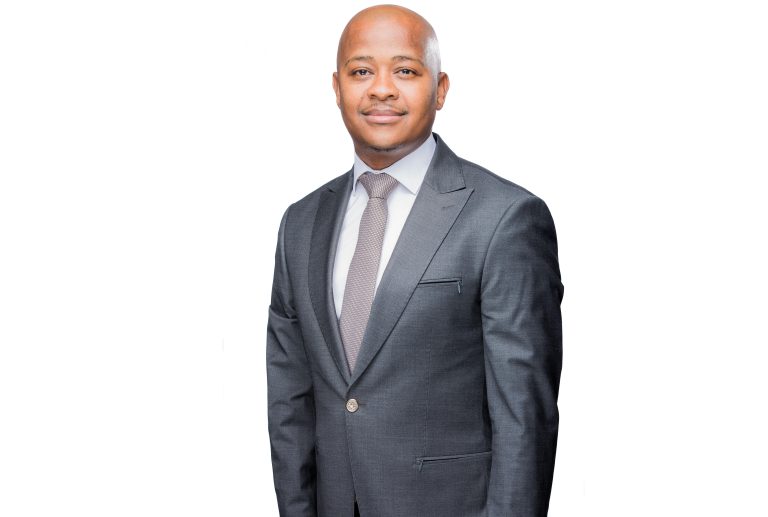
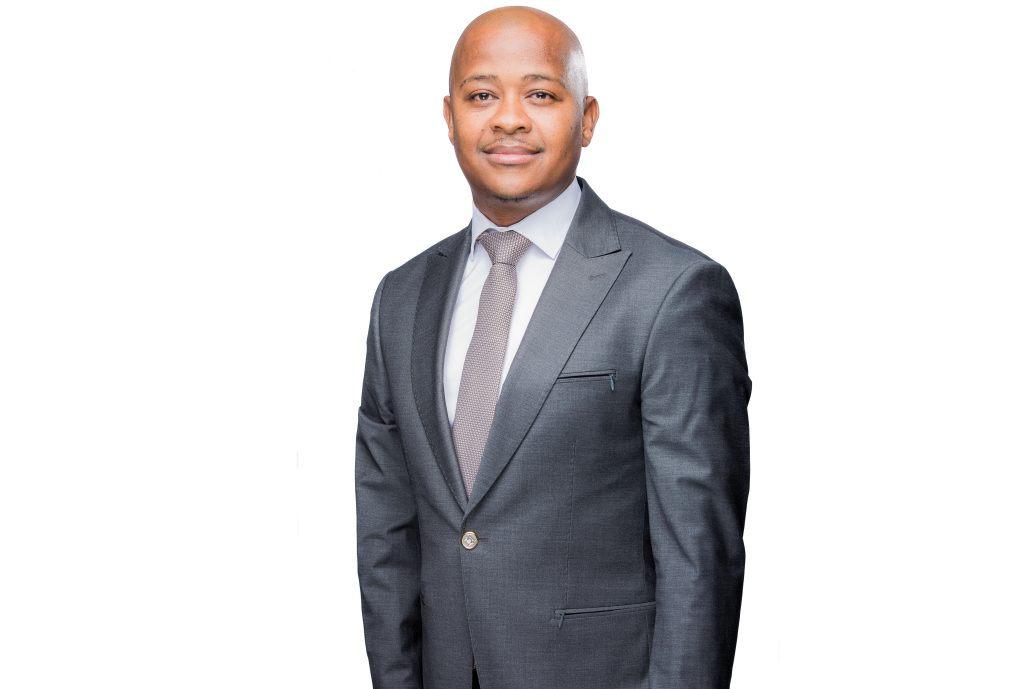
“Access to retirement savings can be a lifeline during times of financial distress,” says Thabang Thaoge, Executive Head for Employee Benefits at FNB. “But if withdrawals become routine rather than exceptional, the long-term impact on retirement outcomes can be significant. That’s where employer engagement becomes critical.”
The compounding cost of early withdrawals:
While many employees understand that withdrawing from retirement savings is not ideal, the long-term impact is often underestimated
Consider an employee aged 45 with R500,000 already saved, contributing R5,000 per month (R60,000 per year) until age 65, with an average annual return of 8%:
- No withdrawals: Retirement value could reach approximately R5.08 million
- Single withdrawal of R200,000 at age 50: Retirement value drops to approximately R4.72 million (a reduction of about R360,000)
- Annual withdrawals of R30,000: Retirement value could decline to around R2.76 million by retirement
The reason is simple: money withdrawn today not only reduces the current balance but also forfeits decades of compound growth.
In addition, withdrawals are taxed at an individual’s marginal tax rate, meaning the net amount received is often significantly lower than expected.
“Employees tend to focus on the immediate cash benefit,” Thaoge, explains. “What is less visible is the long-term compounding effect of that decision. Over 20 or 30 years, the impact can be substantial.”
Employers need to be part of the solution:
Retirement outcomes are shaped not only by investment performance but also by financial behaviour over time. Employers therefore play a uniquely influential role as both providers of retirement benefits and trusted sources of financial guidance.
“Employers already invest significantly in retirement benefits for their staff,” says Thaoge. “Helping employees understand how to protect those savings is a natural extension of that investment.”
This does not mean discouraging all withdrawals. The two-pot system was designed to provide access during genuine financial emergencies. The objective is to ensure employees fully understand the long-term implications of their decisions.
By partnering with financial institutions and retirement providers to deliver workplace financial education, employers can help ensure that retirement savings remain what they were intended to be: A safety net in times of real need, rather than a convenient but costly source of short-term cash.
INFO SUPPLIED