





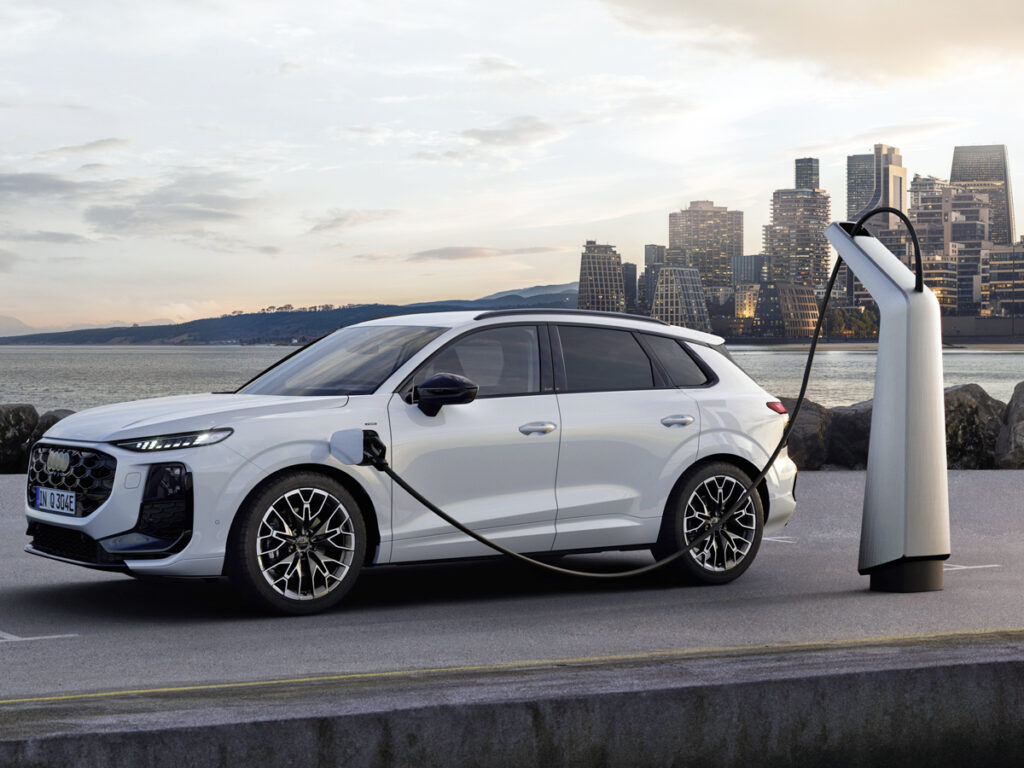
As more South Africans turn to hybrids to manage rising fuel costs, a new question is emerging for early buyers: what happens when the factory battery warranty expires?
South Africa, Johannesburg- 26 October 2026, Hybrid electric vehicles are quickly gaining ground in South Africa. According to TransUnion, local preference for hybrids jumped from 30% at the end of 2025 to 39% in the first quarter of 2026. That puts hybrids ahead of both battery electric vehicles and plug-in hybrids, which each account for 26% of the market.
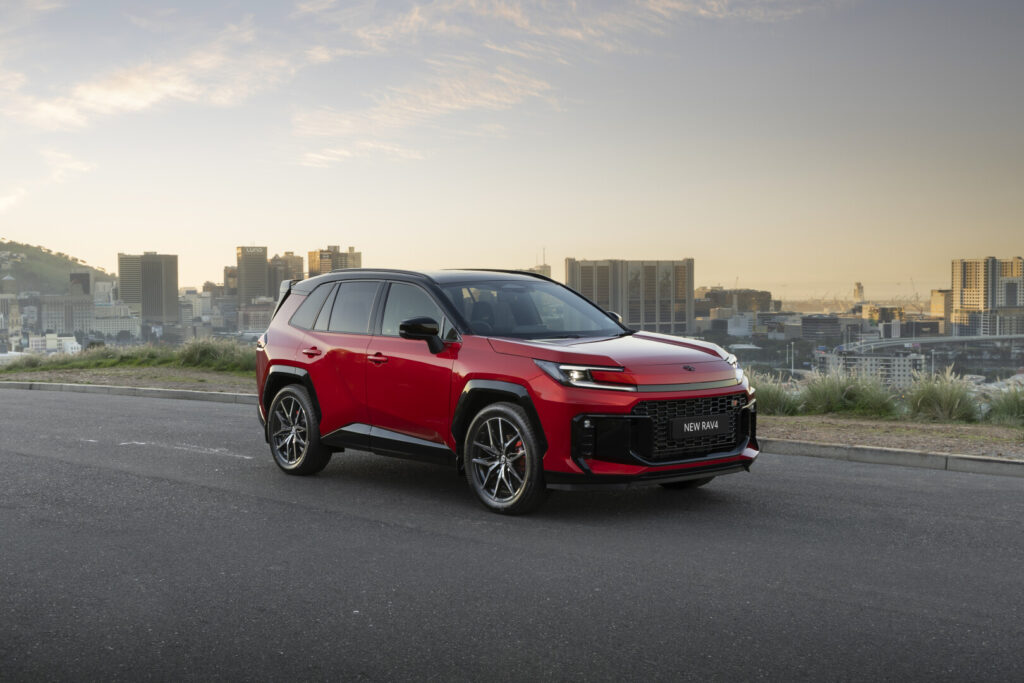
As more drivers make the switch, battery warranty is becoming a key part of the ownership equation. The high-voltage traction battery in a hybrid is not just another 12-volt unit; it’s the heart of the car’s electric drive and fuel-saving ability. Once the factory warranty expires, repairs or replacements become the owner’s responsibility.
Toyota South Africa says its hybrid batteries carry an eight-year or 195 000 km warranty, while its owner information also refers to high-voltage battery cover of up to eight years or 160 000 km, depending on the vehicle and warranty terms.
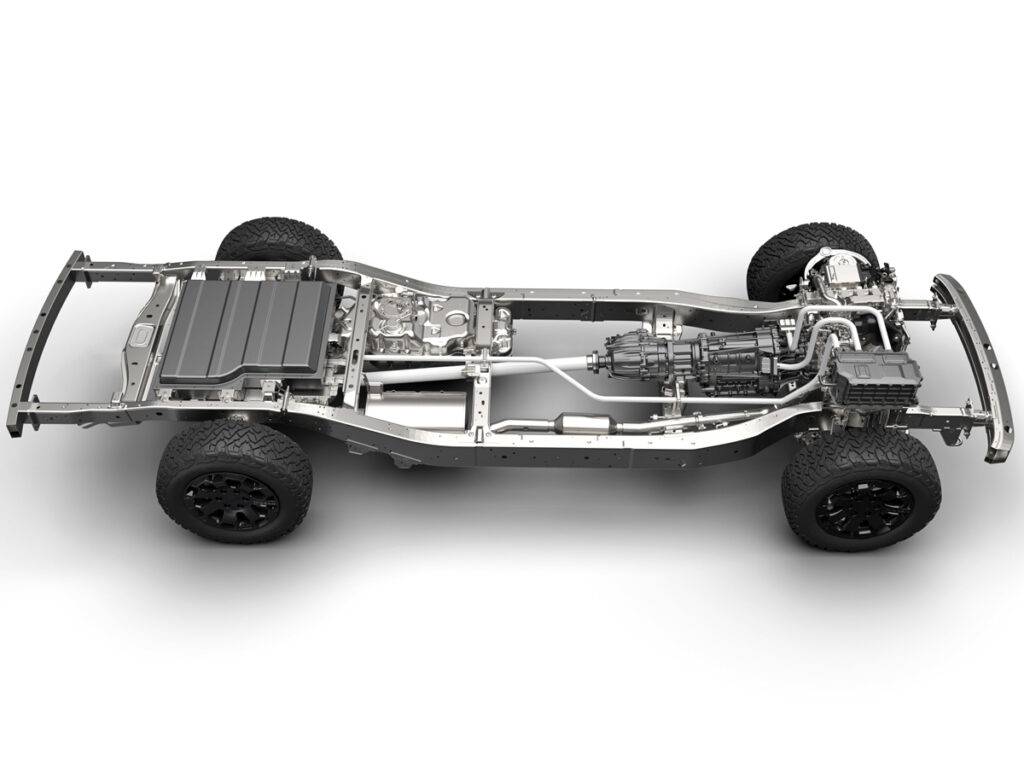
An expired battery warranty doesn’t mean your hybrid will suddenly stop running. Most will keep going as usual. The real risk is financial: if the battery fails after the warranty ends, repairs or replacements can be expensive, and the car’s resale or trade-in value may take a knock.
How reliable are hybrids, really?
The good news is that hybrid batteries and drive systems have proven remarkably reliable. Many well-maintained hybrids run far beyond their warranty periods on their original batteries, and the hybrid hardware itself tends to be robust; Toyota’s hybrid transmission, for example, does without a conventional clutch or torque converter. In the United States, Consumer Reports’ latest reliability survey again rates conventional hybrids among the most dependable vehicles on the road, ahead of plug-in hybrids and battery electric vehicles.
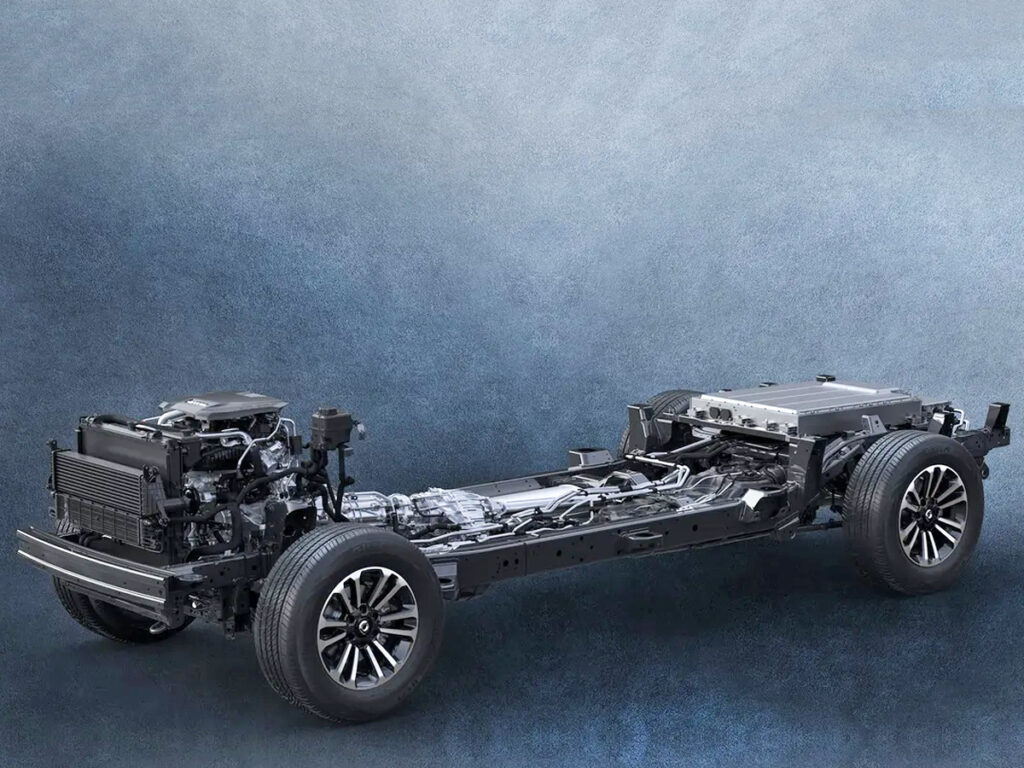
There is an important caveat, though. Meaningful long-term data is only really available for a handful of manufacturers, primarily Japanese brands such as Toyota, Lexus and Honda, which have been building hybrids for more than 25 years. Toyota launched the original Prius in 1997 and Honda followed with the Insight in 1999. Many newer entrants, including several of the Chinese brands now driving hybrid growth in South Africa, simply haven’t been on sale long enough for their batteries and hybrid systems to build up a proven track record.
Locally, the picture is even younger. For most of the past two decades, hybrids were a niche in South Africa. Toyota sold only about 1 200 examples of the Prius here between its 2005 launch and its discontinuation in 2022, while Lexus and Honda (which introduced the Insight and Jazz Hybrid in 2010 and 2011) added relatively small numbers. Volumes only took off after Toyota started building the Corolla Cross Hybrid at its Prospecton plant in Durban in late 2021. According to Naamsa figures, just over 38 500 hybrids were sold in South Africa between 2021 and 2025, which means most hybrids on local roads are less than five years old and still well within their battery warranties.
That makes the first wave of expiring warranties a relatively small group, mostly older Prius, Lexus and Honda models, rather than a flood. It also means South African owners and buyers are, for now, leaning largely on international evidence. For Toyota, Lexus and Honda, that track record is reassuring. For newer brands, the length and terms of the battery warranty carry more weight, because there is little long-term history to fall back on.
What a replacement may cost
The cost of replacing a hybrid battery can vary widely. It depends on the brand, battery type, the car’s value, and whether you choose a dealer replacement or a specialist repair.
As a rough guide, replacing the battery in a mainstream Japanese hybrid typically costs between R25 000 and R45 000. If you own a premium European hybrid or a plug-in model, you could be looking at anything from R65 000 to well over R100 000.
A full battery replacement isn’t always needed. Sometimes, a specialist can repair the battery pack or swap out only the weak modules, which can be much cheaper than fitting a whole new unit. The success of this approach depends on the condition of the rest of the battery, the quality of the repair, and the warranty on the work.
Before signing off on a replacement, it’s worth getting a full hybrid-system diagnostic. A warning light, a drop in fuel economy or a jumpy charge indicator doesn’t always mean the whole battery pack is finished.
Warning signs to watch
Common indicators that a hybrid battery may be deteriorating include:
· Gradually increasing fuel consumption.
· The battery-cooling fan operates more frequently.
· Rapid or inconsistent movement in the state-of-charge indicator.
· Persistent hybrid-system warning lights.
· Reduced electric-motor assistance or noticeable changes in driving behaviour.
None of these symptoms guarantee that the battery needs replacing, but they are a good reason to get a professional diagnosis before things get worse and more expensive.
Repair, replace or sell?
If your battery warranty is about to expire, you have three main options.
Sell or trade in: This route avoids a big repair bill but expect buyers and dealers to lower their offers to cover possible battery costs.
Dealer replacement: A new original battery offers the most peace of mind, but it comes at a price. Check the warranty on the replacement battery, as it’s often shorter than the original coverage.
Specialist repair or reconditioning: Repairing or replacing individual modules can lower the upfront cost but may create greater uncertainty about long-term reliability. Owners should compare the repair warranty, battery health report and total expected remaining life against the price of a new unit.
The best option depends on your car’s value, mileage, condition and your own plans. Replacing the battery might make sense for a newer or higher-value car, but for an older hybrid with high mileage, it may not be worth the cost.
Plan before Day Zero
Reaching the end of your hybrid’s battery warranty is just another milestone, not the end of the road. If you track your warranty, monitor your battery’s performance, and get early warnings, you’ll be in a much better position to decide whether to repair, replace, or sell.
If you’re shopping for a used hybrid, check the battery warranty status, service history, accident record, and general condition before you buy. It’s also worth asking a franchised dealer to run a hybrid system check before you sign. Using its diagnostic equipment, the workshop can read any stored hybrid fault codes and check how evenly the battery’s cell blocks are holding their voltage, which is a good indicator of an ageing pack. Ask for a printout of the results; a seller with nothing to hide shouldn’t object.
About Cars.co.za
Cars.co.za is one of South Africa’s leading automotive marketplaces, connecting consumers, dealers and automotive brands through trusted vehicle listings, motoring content, reviews, research and digital tools. The platform helps South Africans make more confident decisions when buying and selling vehicles while celebrating the people and communities that shape the country’s automotive culture.