





Tana Malinga
Walk into any KFC restaurant and you’ll probably leave with a bucket of chicken. But behind every order lies something far more meaningful, a story of opportunity, hope and lives being transformed.
Across South Africa and the rest of sub-Saharan Africa, KFC is proving that its biggest product isn’t what’s on the menu, but the impact it leaves behind in communities. From feeding hungry children and creating thousands of jobs to nurturing future leaders and inspiring the next generation of sports stars, the fast-food giant is rewriting what corporate success looks like.
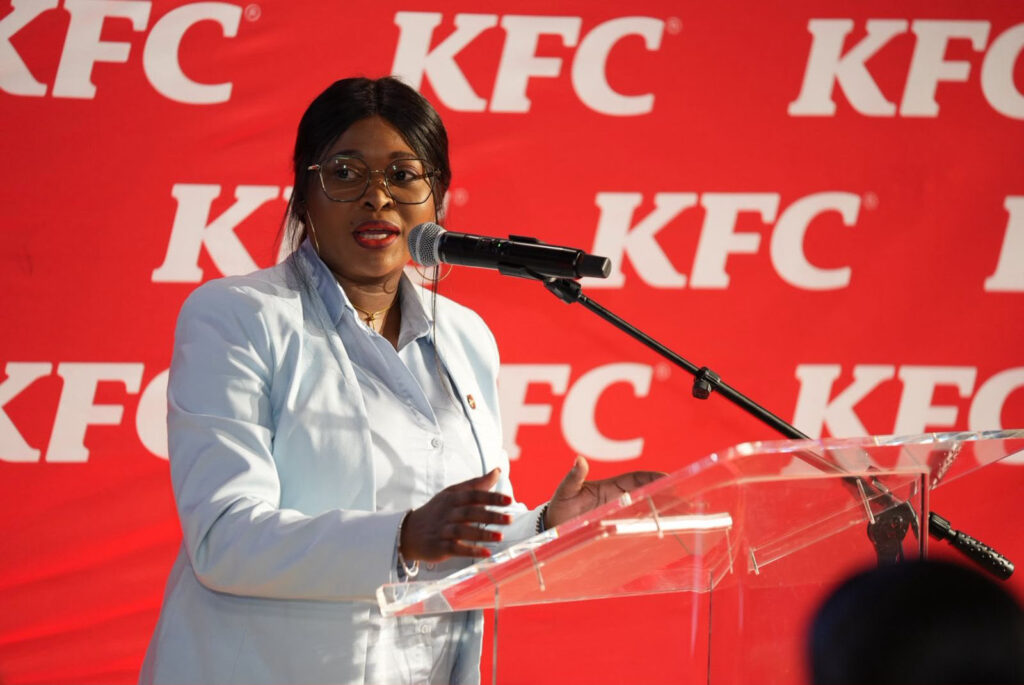
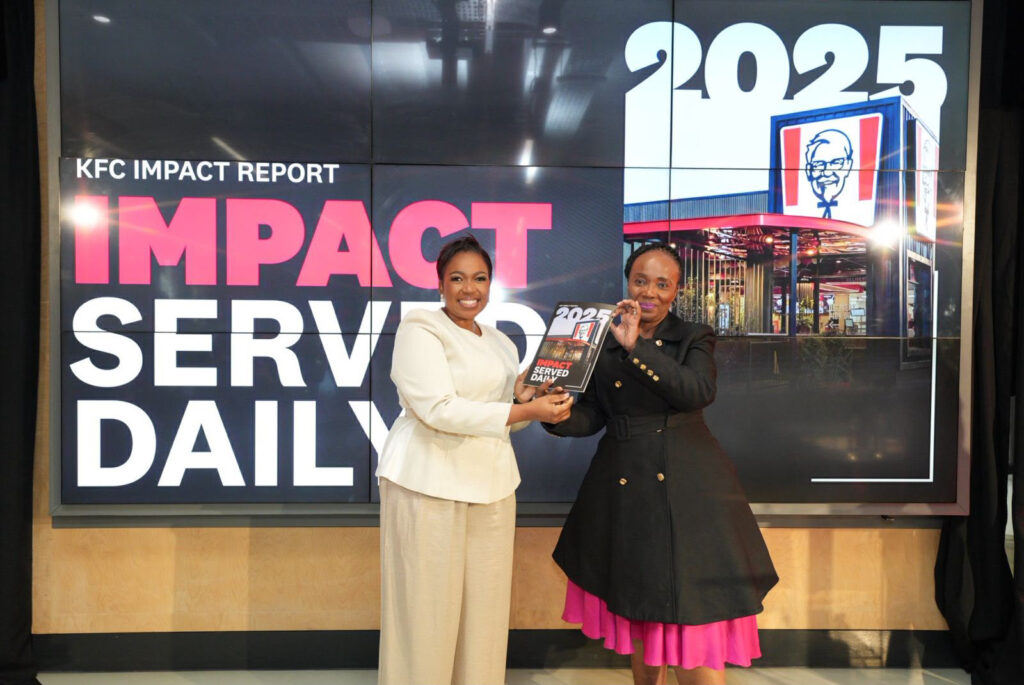
Its inaugural Impact Report 2025, aptly titled “Impact, Served Daily,” lifts the lid on an extraordinary story unfolding behind the restaurant counter.
With 1,573 restaurants operating across 22 countries, KFC Africa’s footprint stretches far beyond business. Every restaurant has become a catalyst for economic growth, skills development and community upliftment.
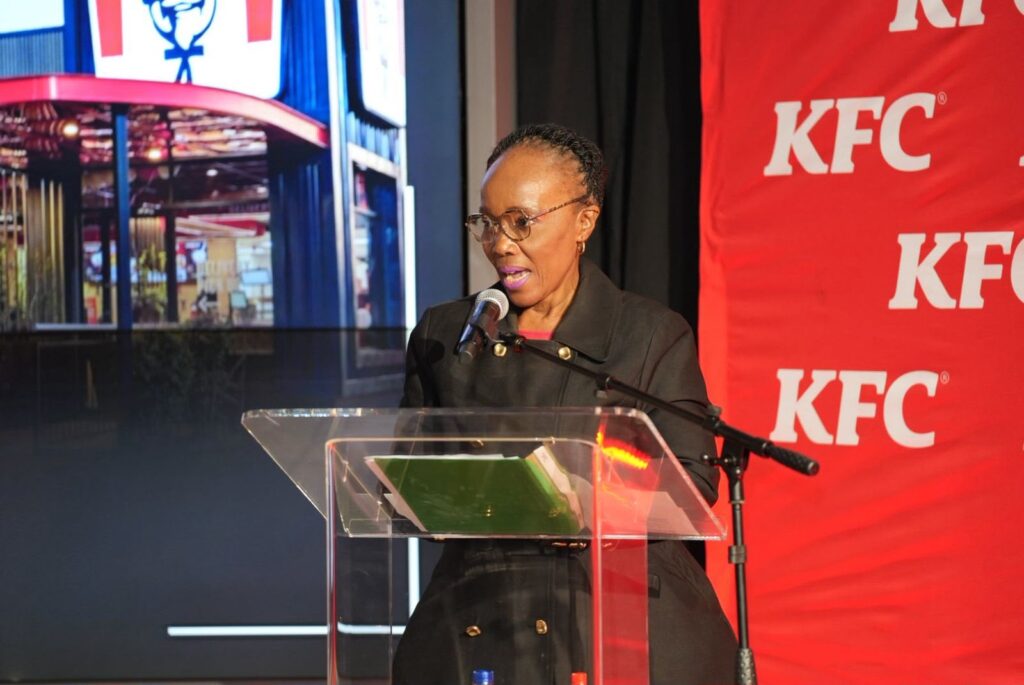
The numbers tell a remarkable story. More than 40,000 people found employment across the business during 2025, while every new KFC restaurant created around 35 direct jobs and supported roughly 100 additional jobs through suppliers, transport companies, farmers and local service providers. Every new outlet doesn’t simply open its doors, it injects investment into communities and stimulates local economies.
For Akhona Qengqe, General Manager of KFC Africa, the philosophy is simple.
“You know what we sell. Now see what we serve.”
She explains that every meal purchased creates a ripple effect that reaches far beyond the customer. It helps feed children, develops careers, supports farmers, strengthens local businesses and creates opportunities for countless families.
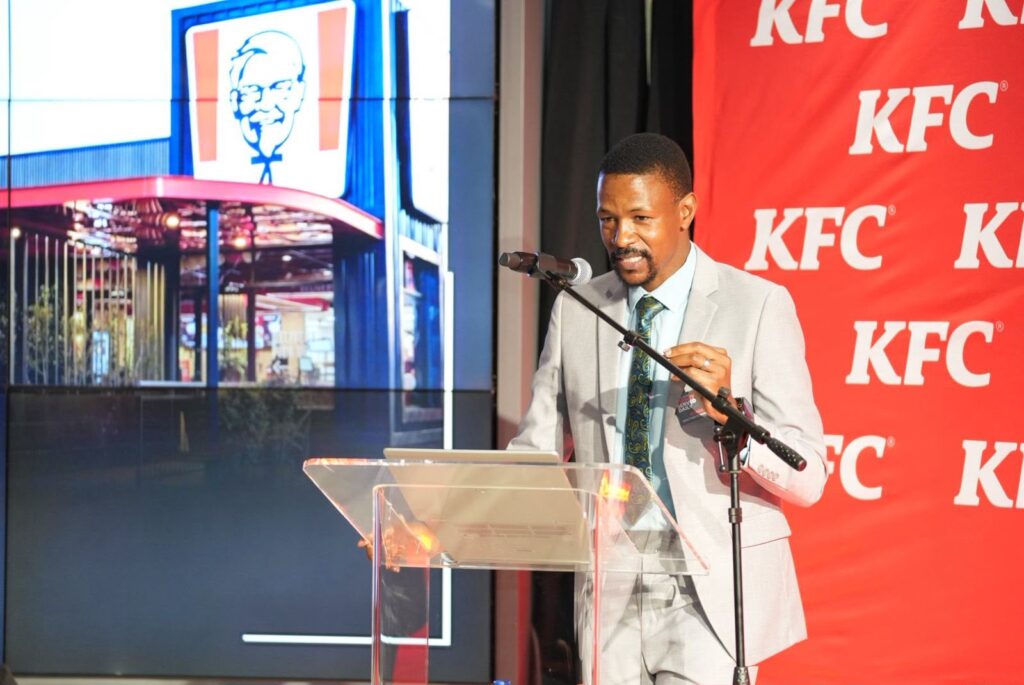
“This isn’t corporate social responsibility added onto the business,” says Qengqe. “This is how we do business. When KFC grows, people grow. Communities grow. Africa grows.”
At the heart of that growth is people.
During 2025 alone, 9,508 employees received induction and training, while 1,847 managers sharpened their leadership skills. Through the innovative Streetwise Academy, 202 employees graduated with accredited National Qualifications Framework qualifications, all at no cost to them, opening doors from entry-level positions to management and executive careers.
The organisation’s people-first culture also earned Top Employer certification, reflecting world-class employee development and workplace practices. Even more impressively, 93% of employees say they intend staying with the company, a powerful indication of a workplace where people genuinely feel valued.
Chief People, Culture and Purpose Officer Nolo Thobejane believes culture is measured not by promises but by daily experiences.
“When people feel seen, supported and valued, everything changes. Culture isn’t what we say; it’s what people experience every day.”
Those experiences are captured in inspiring stories like Amukelani Khoza, who rose from restaurant team member to Operations Improvement Coach while completing a BCom in Project Management, and Rina Maravanyika, whose journey took her from KFC Africa to the global stage as Manager of Operational Excellence at KFC Global in Dallas.
Yet perhaps KFC’s most powerful impact is found far beyond its restaurants.
For millions of vulnerable children, a simple R2 Add Hope contribution has become the difference between hunger and hope.
In 2025, the Add Hope initiative served an astonishing 35.5 million meals, reaching 167,560 children through 3,013 feeding centres and 114 community partners across South Africa.
Since its launch in 2009, the programme has raised more than R1.27 billion, helping feed over 1.5 million people.
Rather than standing still, the initiative continues to evolve. The innovative Biggest Hunger Hack invited young innovators and corporate partners to rethink food security. The winning solution, rescuing surplus fresh produce and redirecting it to families in need, is now being implemented in partnership, creating an even greater impact in the fight against hunger.
KFC is also investing in dreams through sport.
Its long-running KFC Mini-Cricket programme introduced 119,926 children to cricket during 2025 across 4,652 schools, while more than 2.5 million young players have participated since 2009.
Perhaps the programme’s greatest achievement is reflected in the remarkable statistic that 75% of South Africa’s current squad first picked up a cricket bat through KFC Mini-Cricket, proving that today’s playgrounds can produce tomorrow’s sporting heroes.
“This is where potential begins,” says Qengqe. “We invest in young people early so they can see what’s possible.”
Looking ahead, KFC Africa has set an ambitious target of growing to 3,000 restaurants by 2035. Yet for the company, expansion isn’t simply about opening more stores, it is about multiplying opportunity across the continent.
Every restaurant represents another family with an income, another employee with a career path, another child receiving a nutritious meal, another young cricketer chasing a dream and another community benefiting from investment.
The inaugural Impact Report makes one message abundantly clear: KFC may be famous for its chicken, but its greatest recipe is one that combines business growth with human potential.
As Qengqe puts it, “The more we grow, the more we serve. Growth is the strategy. Impact is the reason.”
It’s a reminder that sometimes the most meaningful thing on the menu isn’t the meal itself, it’s the future being served alongside it.
Readers can explore the full report at KFC Africa Impact Report 2025.
IMAGES SUPPLIED