






BY TANA MALINGA

PHOTOS : CREDIT TO TMVISUALS
Metropolitan Rewrites The Rules Of Funeral Cover, Putting Community, Dignity And Financial Freedom First
An innovative no-lapse funeral plan challenges traditional insurance models, giving South Africans with irregular incomes an opportunity to build lasting financial protection.
JOHANNESBURG, 20 NOVEMBER 2026 – In a country where millions hustle daily to put food on the table, financial security cannot always be measured by a fixed salary or a monthly debit order. For the taxi driver navigating the streets, the domestic worker serving multiple households, the entrepreneur building a business from scratch or the informal trader whose earnings fluctuate with the seasons, financial protection has often remained an aspiration rather than an accessible reality.
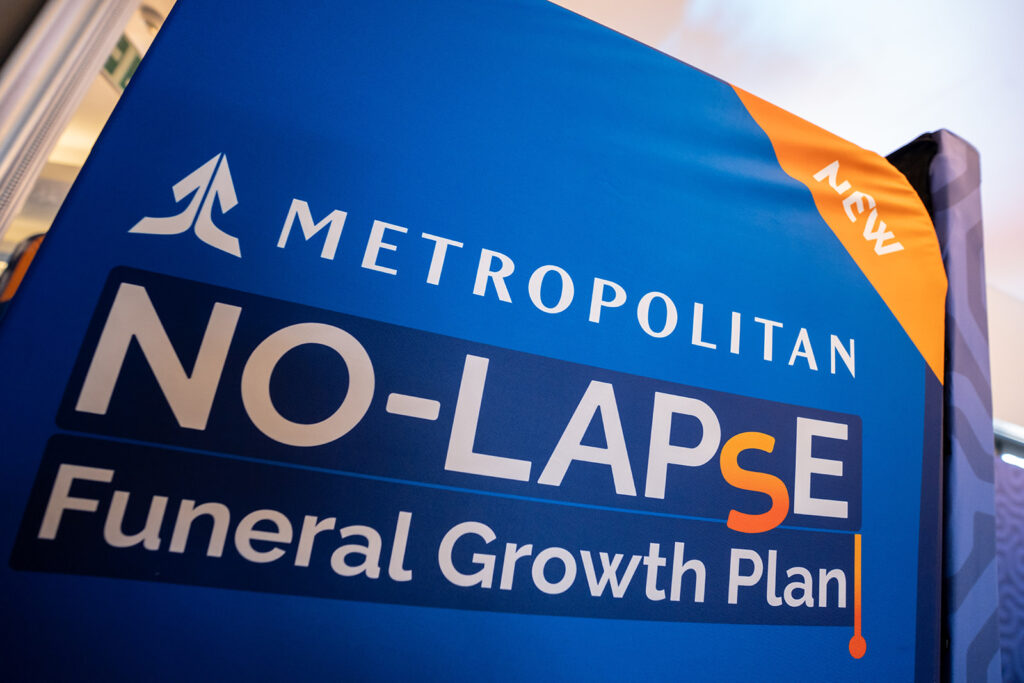
Yet when death knocks, the responsibility of giving a loved one a dignified farewell does not wait for payday.Recognising this reality, Metropolitan is challenging conventional insurance thinking through its innovative No-Lapse Funeral Growth Plan, a groundbreaking approach to funeral cover designed around the realities of South Africans whose income is unpredictable.
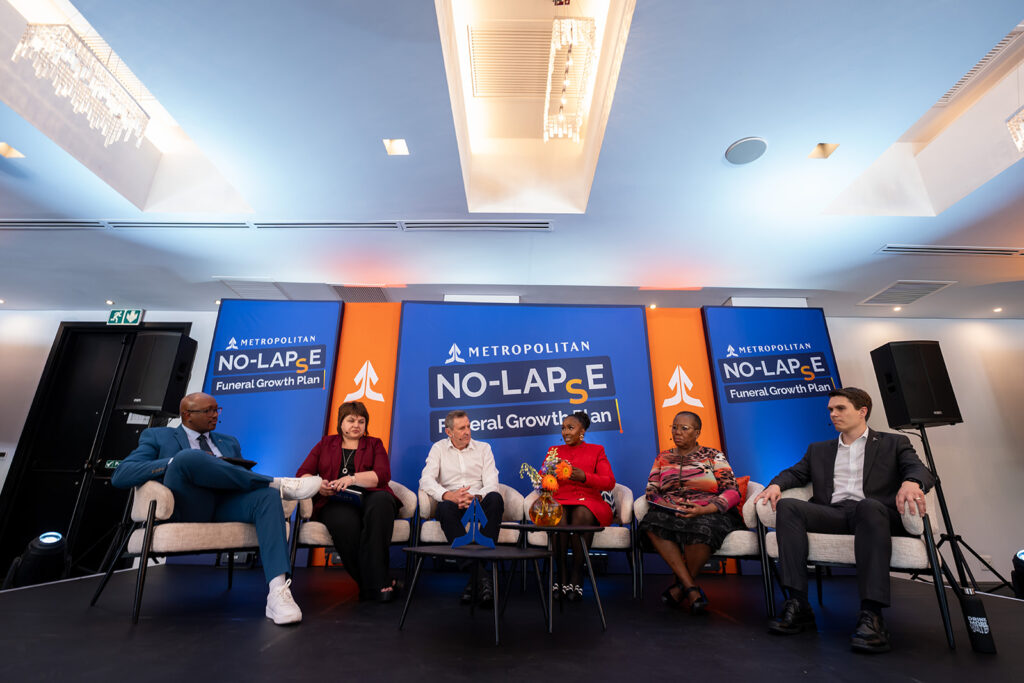
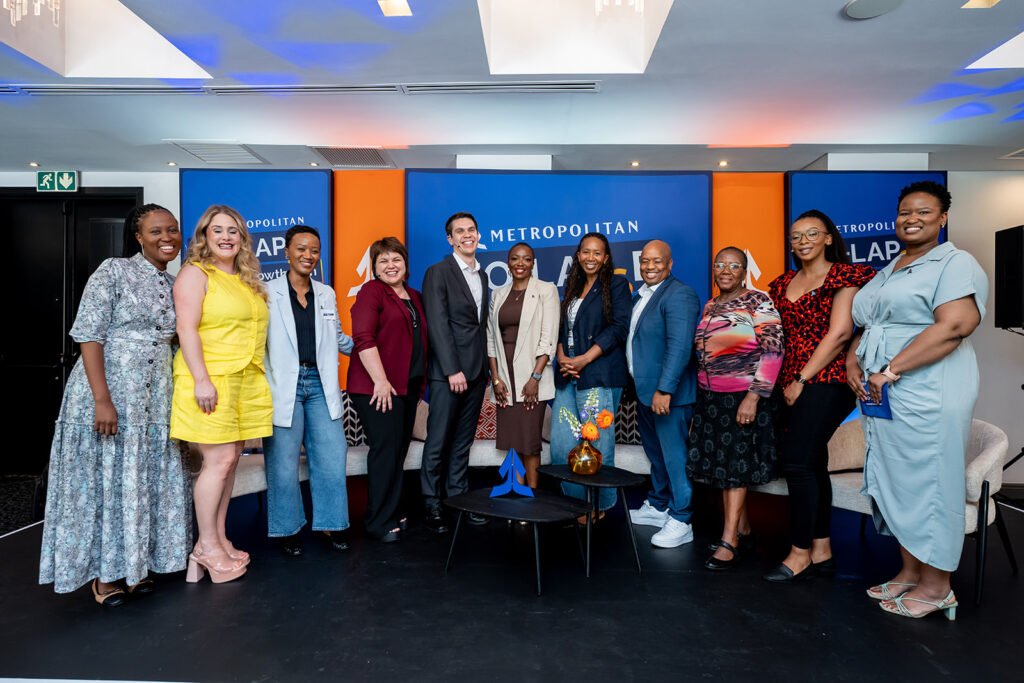
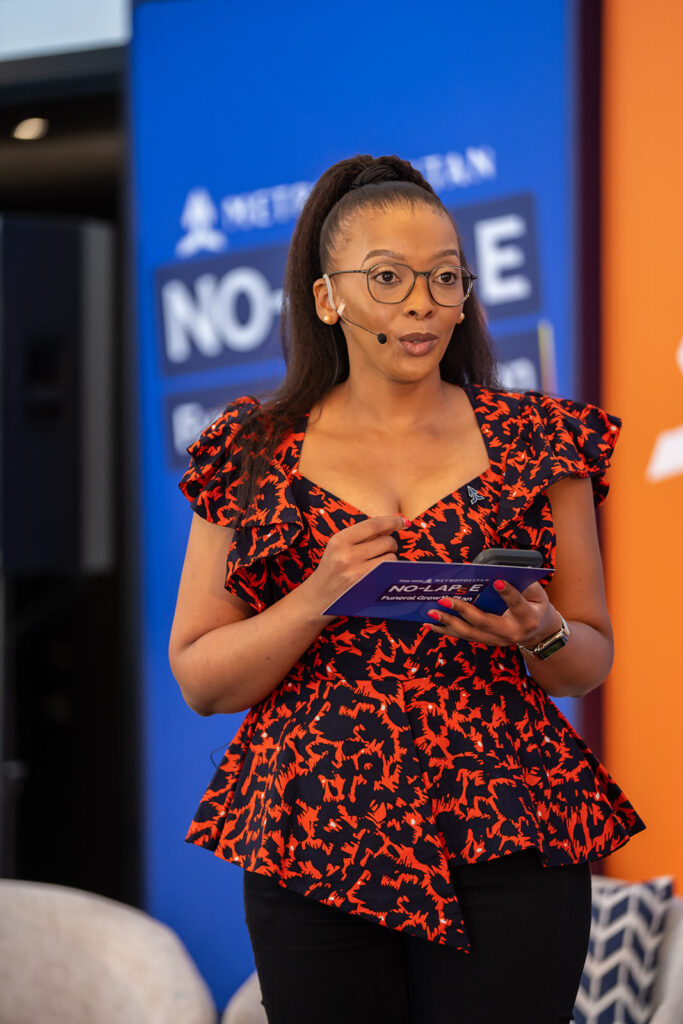
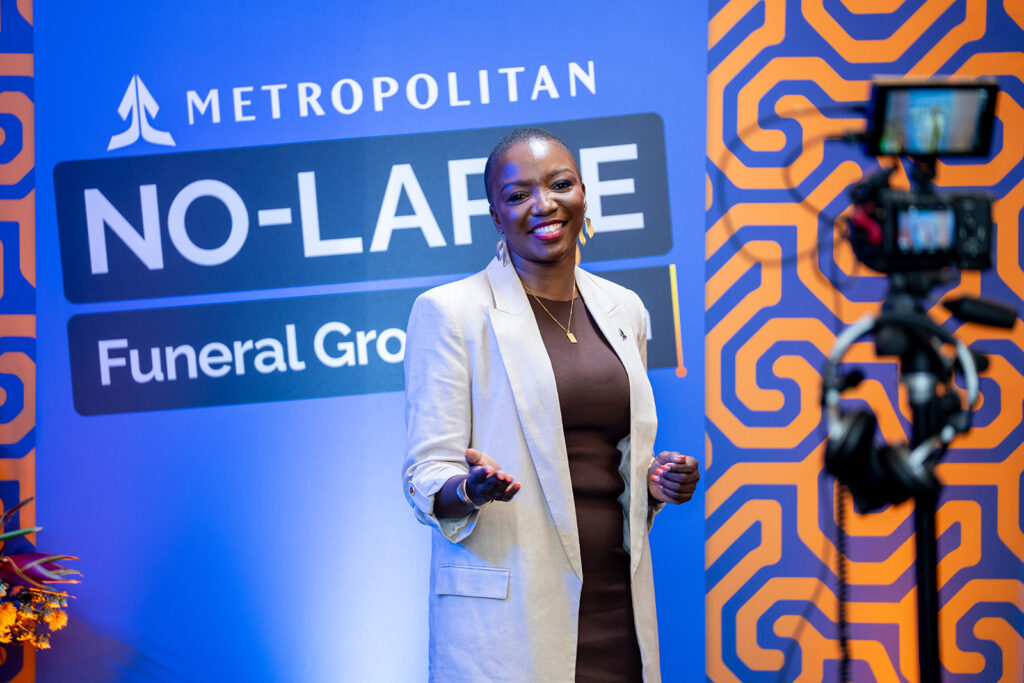
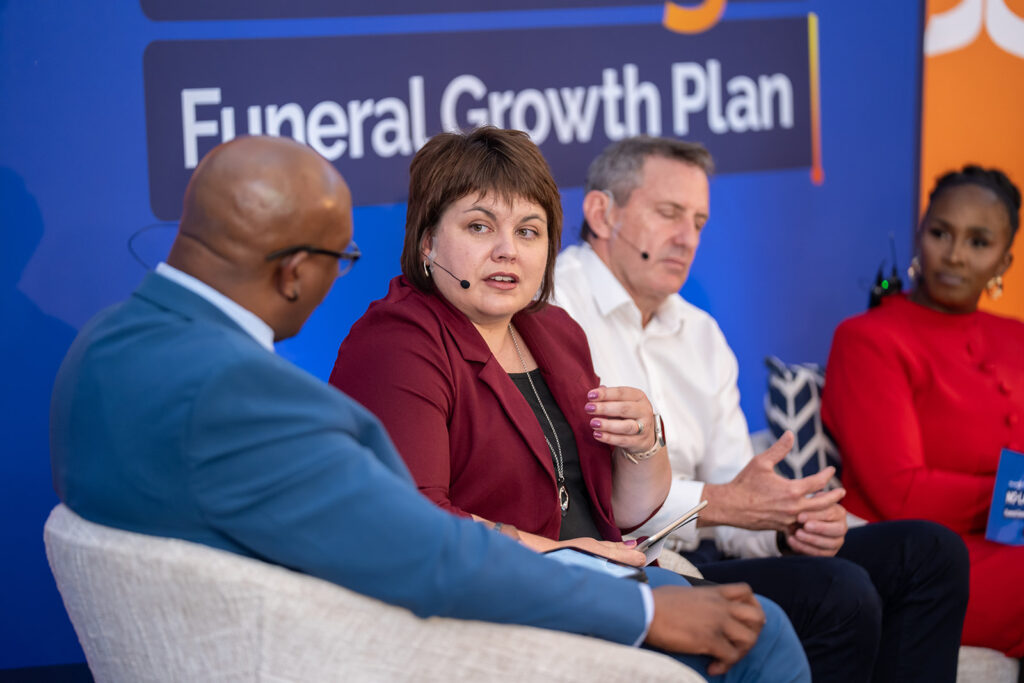
Launched during a media engagement at Protea Fire &Ice!MelroseArch,Johannesburg, on Thursday, 19 November, the initiative represents a bold shift from rigid monthly premiums towards a more flexible, community-centred approach to financial protection.
The question underpinning the innovation is both simple and powerful: Why should people lose their funeral cover simply because their income does not arrive consistently?With millions of funeral policies lapsing annually, Metropolitan is confronting a reality that leaves families financially vulnerable at precisely the moment they need support most.
FROM COMMUNITIES TO CORPORATE INNOVATION
What makes the No-Lapse Funeral Growth Plan particularly compelling is that its foundation was built through conversations with ordinary South Africans, rather than solely through boardroom assumptions.
Metropolitan’s research and product development teams engaged communities in Soweto and Roodepoort, listening to their experiences of earning, saving, financial hardship and the consequences of losing insurance protection.Among the heartbreaking realities uncovered were families whose funeral policies had lapsed, leaving them with no alternative but to borrow from loan sharks or depend on relatives and neighbours to bury their loved ones.Luke Nel, actuary and Head of No-Lapse & Growth Solutions at Metropolitan, said the research forced the business to reconsider the fundamental principles underpinning traditional insurance.
“What we discovered was that the problem was not a lack of commitment. Expenses are fixed, but income is not. We needed to be brave enough as a business to solve that social problem first and find a way for people to retain the protection they had worked hard to build.”His words speak to a deeper economic reality: financial vulnerability is not necessarily a reflection of irresponsibility, but often the consequence of an economic system in which earnings are inconsistent while household obligations remain constant.
LISTENING TO THE PEOPLE WHO KEEP THE ECONOMY MOVING
Seolebaleng Lakaje, Customer Experience & Insights Lead at Metropolitan, highlighted the remarkable resilience of communities navigating limited formal employment opportunities.From salon owners whose businesses flourish during festive seasons to gardeners, domestic workers, freelancers and informal traders, South Africans are increasingly finding creative ways to generate income and sustain their households.“What stood out was the resilience of people in these communities. They are finding ways to earn additional income and improve their circumstances. Financial products need to recognise these realities and accommodate the ebb and flow of their earnings,” says Lakaje.The research reinforces the need for financial products that evolve alongside the people they serve, acknowledging that one-size-fits-all solutions may leave millions behind.The Bureau of Market Research estimates that approximately 12 million South Africans earn between R1,400 and R5,800 monthly, many relying on grants and irregular income streams. More than half of those surveyed within this market segment reported struggling to meet monthly payments.Meanwhile, FinScope research indicates that approximately 9.5 million South Africans earn income through the informal economy, highlighting the growing significance of alternative income streams and the urgency of designing financial services that accommodate them.
PROTECTION THAT DOES NOT DISAPPEAR WHEN INCOME DOES
At the heart of the No-Lapse Funeral Growth Plan is the promise of flexibility without sacrificing the security families desperately need.Customers can begin with a contribution of R200, with funeral cover commencing from their first payment. Once qualifying contributions reach R1,500 within the first 12 months, the accumulated cover is secured permanently, subject to the policy terms.Thereafter, customers can increase their cover through additional contributions whenever their financial circumstances permit, without losing the protection already secured simply because they cannot afford to contribute during difficult periods.
The plan also embraces the collective strength of South African communities. Family members, friends and employers can contribute towards another person’s policy, while a referral programme rewards policyholders with additional funeral cover.
This presents a particularly meaningful opportunity for domestic workers employed by multiple households, where employers could collectively contribute towards their employee’s financial protection, creating security that remains with the individual even when employment circumstances change.The product is accessible through WhatsApp, with payment options including Pay@ and participating retailers, bringing financial services closer to communities that may not always have convenient access to traditional banking infrastructure.
FINANCIAL PROTECTION AS COMMUNITY RESPONSIBILITY
The engagement further brought together representatives from the research, stokvel, payments and entrepreneurial sectors, exploring how financial education, accessible payment systems and community participation can help bridge the gap between financial services and underserved households.Metropolitan Managing Executive for Sales and Distribution, Reabetswe Mosala, emphasised the importance of meaningful innovation that responds to the lived realities of ordinary people.“Innovation does not need to be complex. The test is whether the solutions we develop make financial services work better for ordinary South Africans, both when things are going well and when they are not.”That sentiment resonates strongly in a country where funeral societies, stokvels, extended families and community networks have historically stepped in when formal financial systems have failed to meet people’s needs.Lindiwe Gumede, Chief Marketing Officer at Metropolitan, acknowledged that the unconventional approach might initially raise questions about its sustainability and whether it is too good to be true.“Many may indeed ask if this is too good to be true, as it is such a novel, innovative and people-focused solution. But the essence of the brand is about financial progress and the spirit of the community. We want to put people first and be there for them, especially when times are tough, and income is not certain.”
A NEW CHAPTER IN FINANCIAL INCLUSION
South Africa’s insurance industry continues to face the challenge of policy lapses, with millions of policies falling away as consumers struggle to maintain premium payments.The No-Lapse Funeral Growth Plan offers a different perspective: financial protection should not be reserved for those fortunate enough to receive a predictable monthly salary.It is an approach that recognises the taxi driver, the entrepreneur, the domestic worker, the seasonal labourer and the informal trader as equally deserving of dignity, security and peace of mind.
While funeral cover is the starting point, Metropolitan’s broader ambition is to demonstrate how community-led innovation can contribute towards closing the financial inclusion gap and helping more South Africans build lasting financial security.
In a nation where communities have long carried one another through life’s most difficult moments, this innovation seeks to bring the power of collective support into a more accessible and sustainable financial framework.Because when a family loses a loved one, the last thing they should have to worry about is whether they can afford to say goodbye.And perhaps the most meaningful measure of financial innovation is not how sophisticated a product appears, but how many lives it protects when circumstances become difficult.
Financial protection should not lapse because life becomes unpredictable.
PHOTOS : CREDIT TO TMVISUALS