






Testosterone – the hormone associated with strength and performance – tends to evoke images of buff men building muscles at the gym. Yet testosterone plays a far broader role in a man’s health, overall well-being and vitality, affecting their physical, sexual and mental health.
Many men chalk up fatigue, low mood or a fading sex drive to stress and the natural effects of aging. But for some, these subtle changes may point to a deeper issue – low testosterone (also called male hypogonadism). Recognising it early and seeking medical advice can make a big difference to man’s long-term health and quality of life.
Understanding the effects of low testosterone
Ingrid Singels, Associate Director of Pharma Dynamics’ Scientific Division says, “Testosterone underpins much of what men take for granted – strength, drive, focus and mood. When it dips the effects ripple across body and mind.”
There is also what’s known as late-onset or adult-onset hypogonadism, which tends to develop gradually as men age. This form is more common in those who are overweight or obese, or who live with chronic conditions such as Type 2 diabetes and cardiovascular disease.
“We often see a silent onset of hypogonadism,” comments Singels. “Men don’t realise that the chronic fatigue, reduced strength or mood dips may have an endocrine root. That’s why early screening and dialogue with healthcare providers is absolutely critical.”
• Sexual health is often among the first flags. Low libido, erectile dysfunction (ED) and reduced spontaneous erections are well-documented in hypogonadal men.
• Men with low testosterone often report reduced muscle mass and strength, greater fat accumulation and slower recovery from exercise or injury.
• It also contributes to bone health; low levels are linked with lower bone density and higher fracture risk.
• Mentally, low testosterone is associated with depression, irritability, fatigue, poor concentration and diminished motivation.
• Beyond quality of life, observational studies also suggest low testosterone may correlate with higher cardiovascular risk and greater mortality in men.
Who’s at risk and when does testosterone tend to drop?
While testosterone levels naturally decline with age – typically by about 1% per year from the time a man reaches his 30s – the hormone never depletes completely.
Low testosterone can result from two main categories of causes. Primary hypogonadism originates in the testes themselves, where the glands are unable to produce adequate testosterone.
Secondary hypogonadism, on the other hand, occurs when the brain – specifically the hypothalamus or pituitary gland – fails to send the proper signals to trigger testosterone production. These can be caused by a myriad of factors including obesity, type 2 diabetes, HIV, chronic illnesses, certain medications, poor sleep and lifestyle elements like excessive alcohol use and major stress.
Prevention and early detection
You may not prevent all cases of testosterone deficiency, but several strategies can reduce the risk or slow the decline. Maintaining a healthy body weight – especially by reducing abdominal fat, helps minimise hormonal suppression. Regular exercise, particularly strength training, supports muscle mass and may help maintain testosterone levels; while good sleep hygiene and treatment of sleep disorders like sleep apnea, are equally important. Managing chronic conditions (e.g. diabetes, hypertension and high cholesterol), reducing stress, limiting alcohol intake, and following a balanced diet all contribute to better hormone balance.
Screening too, plays a key role. Pharma Dynamics has digitised the internationally recognised ADAM Screening Questionnaire for Low Testosterone allowing men to assess their risk online, download their results and share them with a doctor.
“This questionnaire provides men an easy way to start important conversations with their GP – talks that many tend to put off or avoid, because of stigma or embarrassment,” says Singels.
When to seek help and what treatment options exist
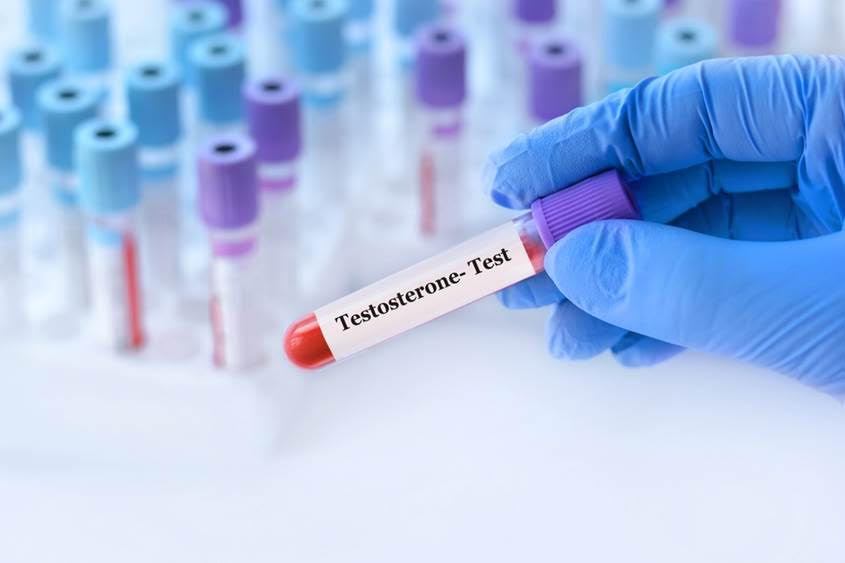
If symptoms and screening results raise concern, the next step is a medical evaluation and blood tests.
Singels explains that treatment depends on the cause, other health conditions and the patient’s health goals.
“Before hormone therapy, doctors often recommend addressing underlying factors, like excess weight and poor blood sugar control, that might lower testosterone. These steps alone can sometimes make a noticeable difference,” she notes.
“For men with confirmed low testosterone and noticeable symptoms, Testosterone Replacement Therapy (TRT) is the most direct option. It comes in different forms, like gels, patches, injections (both short- and long-acting) and implants. Long-acting injections, for example, can provide stable hormone levels for weeks or months, which helps avoid fluctuations and makes it easier to stick with treatment.”
Singels emphasises that testosterone is a regulated medicine in South Africa and doctors must carefully guide its use.
Why men should care
“Low testosterone is not simply a sexual issue – it’s a systemic issue affecting strength, vitality, mood and long-term well-being. If you sense something is wrong, don’t wait – early screening can help you and your doctor catch it before downstream damage sets in,” she adds.
SUPPLIED.