




Tana Malinga
Stakeholder engagements strengthen transparency, accountability and public understanding ahead of July implementation
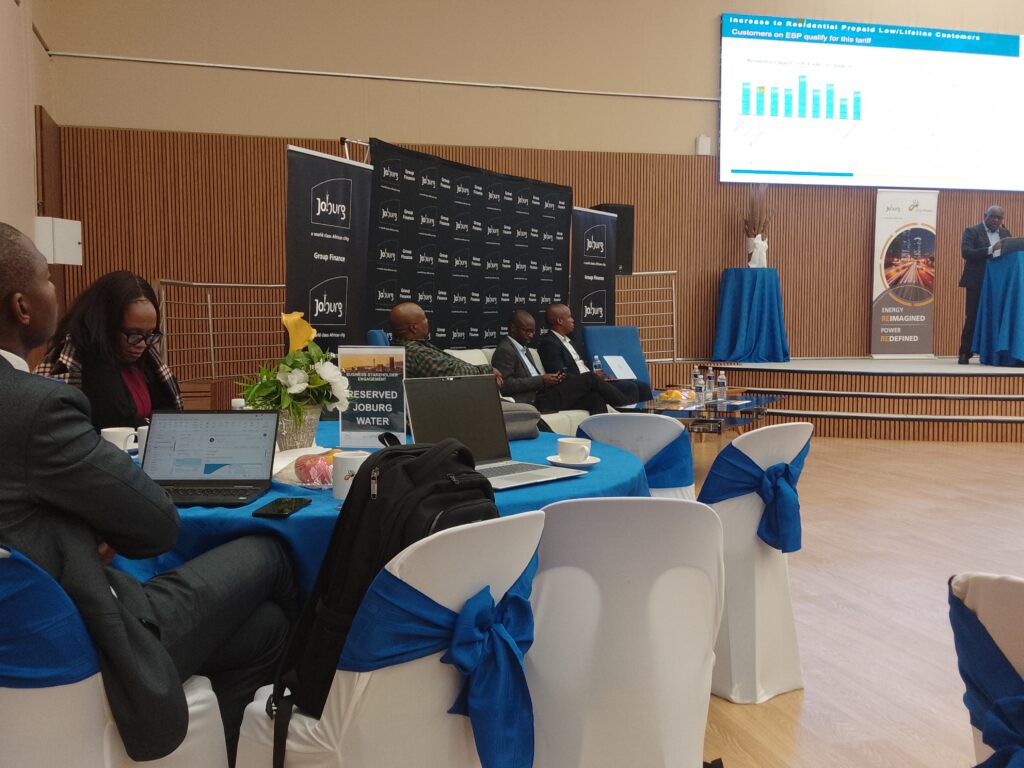
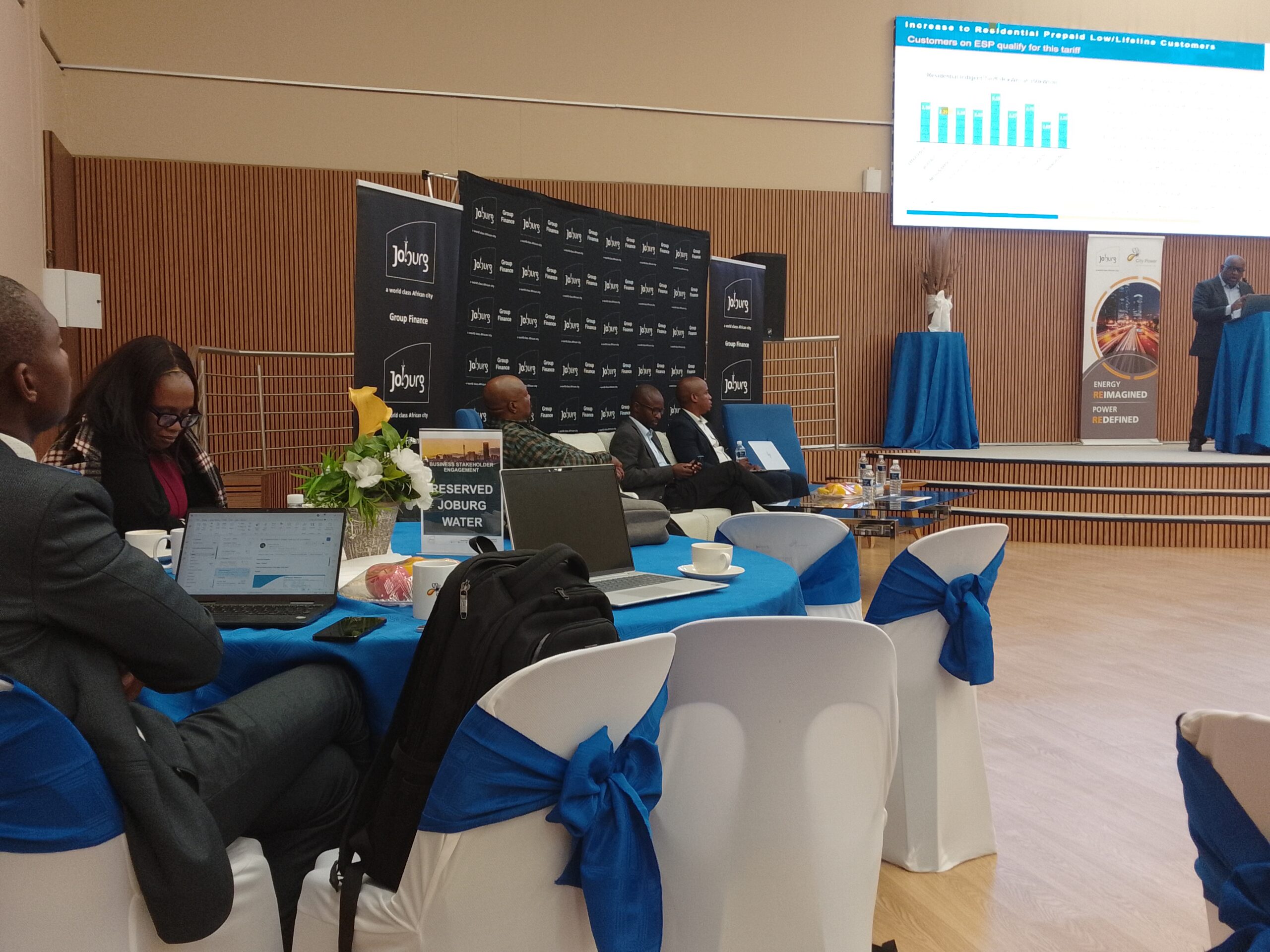
The City of Johannesburg has reaffirmed its commitment to transparent governance and sustainable service delivery following a series of stakeholder engagement sessions aimed at unpacking the approved 2026/2027 municipal tariffs and annual budget.
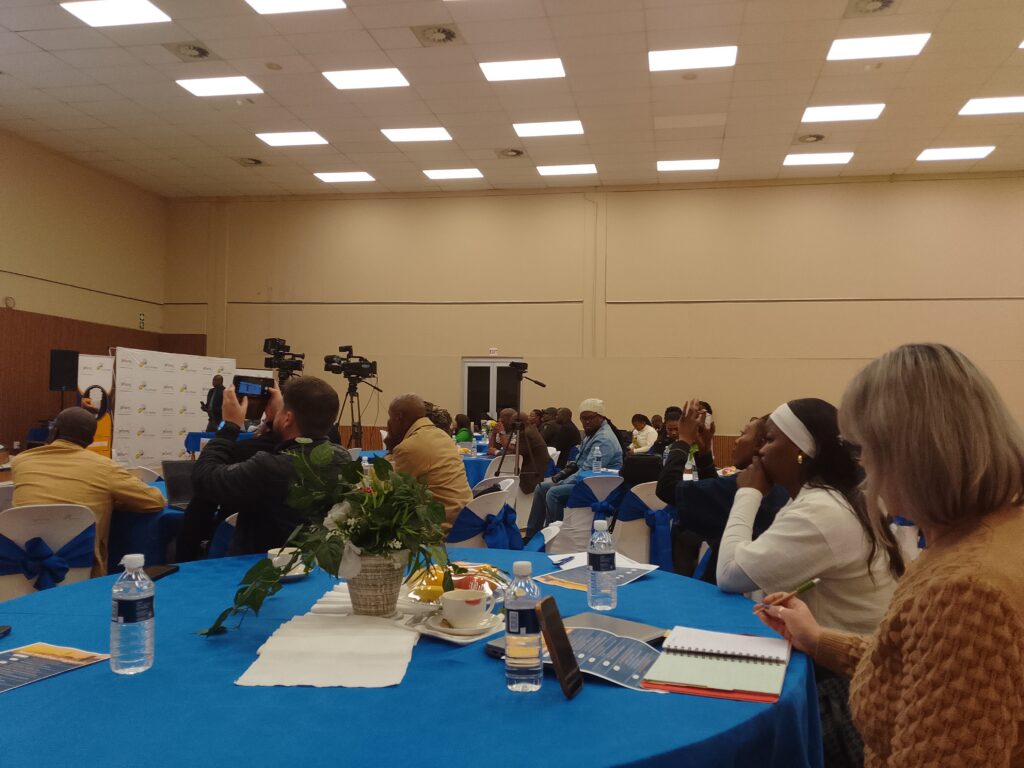
The engagements brought together representatives from the business community, property sector, residents’ organisations and the media, creating an important platform for dialogue on the City’s financial outlook and service delivery priorities.
The sessions formed part of the City’s broader strategy to ensure that residents and stakeholders are fully informed about how municipal tariffs are determined, why adjustments are necessary, and how revenue generated contributes to maintaining and improving essential services across South Africa’s economic hub.
Balancing Service Delivery and Financial Sustainability
With municipalities across the country facing mounting infrastructure and operational pressures, Johannesburg’s approved budget seeks to strike a balance between affordability for residents and the long-term sustainability of critical public services.
From 1 July 2026, the City will implement the following average tariff adjustments approved by Council:
Electricity: 8.63%
Water: 12.5%
Sanitation: 11%
Refuse Removal: 6.2%
Property Rates: 3.6%
City officials explained that the adjustments are largely driven by rising bulk electricity and water costs, increasing maintenance requirements, infrastructure renewal programmes and the need to safeguard the municipality’s financial stability.
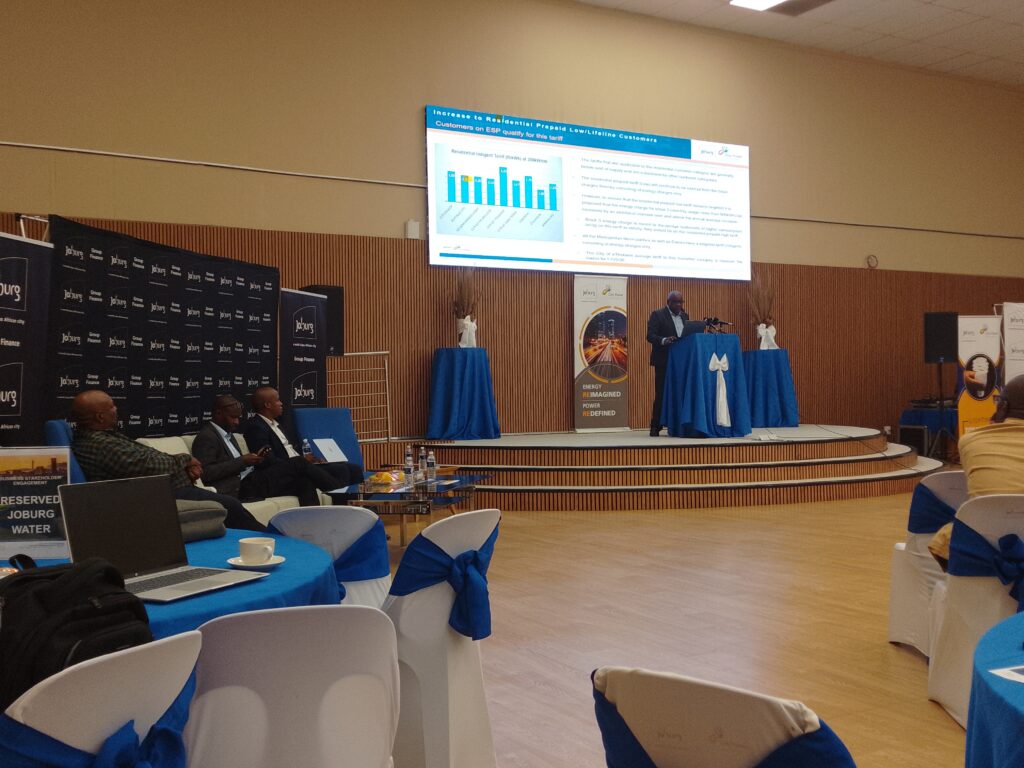
The engagements provided stakeholders with a detailed breakdown of these cost drivers while offering clarity on the anticipated impact on households, businesses and property owners.
Building an Informed and Engaged Citizenry.
The latest stakeholder sessions also built upon the extensive public participation process conducted through the Integrated Development Plan (IDP), which gave residents and organisations an opportunity to contribute to discussions around service tariffs, property rates and budget priorities before Council’s final approval.
Officials emphasised that meaningful engagement remains essential to strengthening public trust and encouraging constructive participation in municipal governance.
Director of Communications and Stakeholder Engagement, Kgamanyane Maphologela, underscored the importance of maintaining open lines of communication between the City and its customers.
“These engagements are not only about communicating the approved changes, but also about building a shared understanding of the financial realities facing the City and the collective responsibility required to sustain service delivery. Informed customers are better positioned to engage constructively with the City and make use of the support mechanisms available to them,” he said.
Leveraging Technology for Better Service
As part of its customer-focused approach, the City is encouraging residents to make greater use of digital platforms designed to improve convenience and accessibility.
These include the Customer Service Delivery (CSD) Mobile App, eJoburg, e-Services portals, Customer Service Centres and approved banking channels. Through these platforms, customers can access municipal accounts, make payments, update personal information, log service requests and receive important municipal updates.
The City believes that increased use of these digital solutions will help streamline service delivery while enhancing communication between residents and municipal departments.
Support for Vulnerable Households
Recognising the financial pressures facing many households, the City continues to provide relief mechanisms through initiatives such as the Debt Relief Programme Phase 4 and the Expanded Social Package (ESP).
Residents who qualify for assistance are encouraged to apply for available support, while all customers are urged to keep their accounts up to date, make payment arrangements where necessary and ensure that their contact information remains current.
A Shared Vision for Johannesburg
As Johannesburg prepares to implement its new tariffs from 1 July, City leaders say the focus remains firmly on ensuring reliable service delivery, modernising infrastructure and strengthening financial resilience.
The recent engagements demonstrate a growing commitment to transparency, collaboration and public accountability, principles that are increasingly vital as municipalities navigate complex economic realities while striving to meet the expectations of residents.
For Johannesburg, the message is clear: building a world-class African city requires not only investment in infrastructure and services, but also an informed and engaged citizenry working together towards a sustainable future.