






Lulu Nkosi
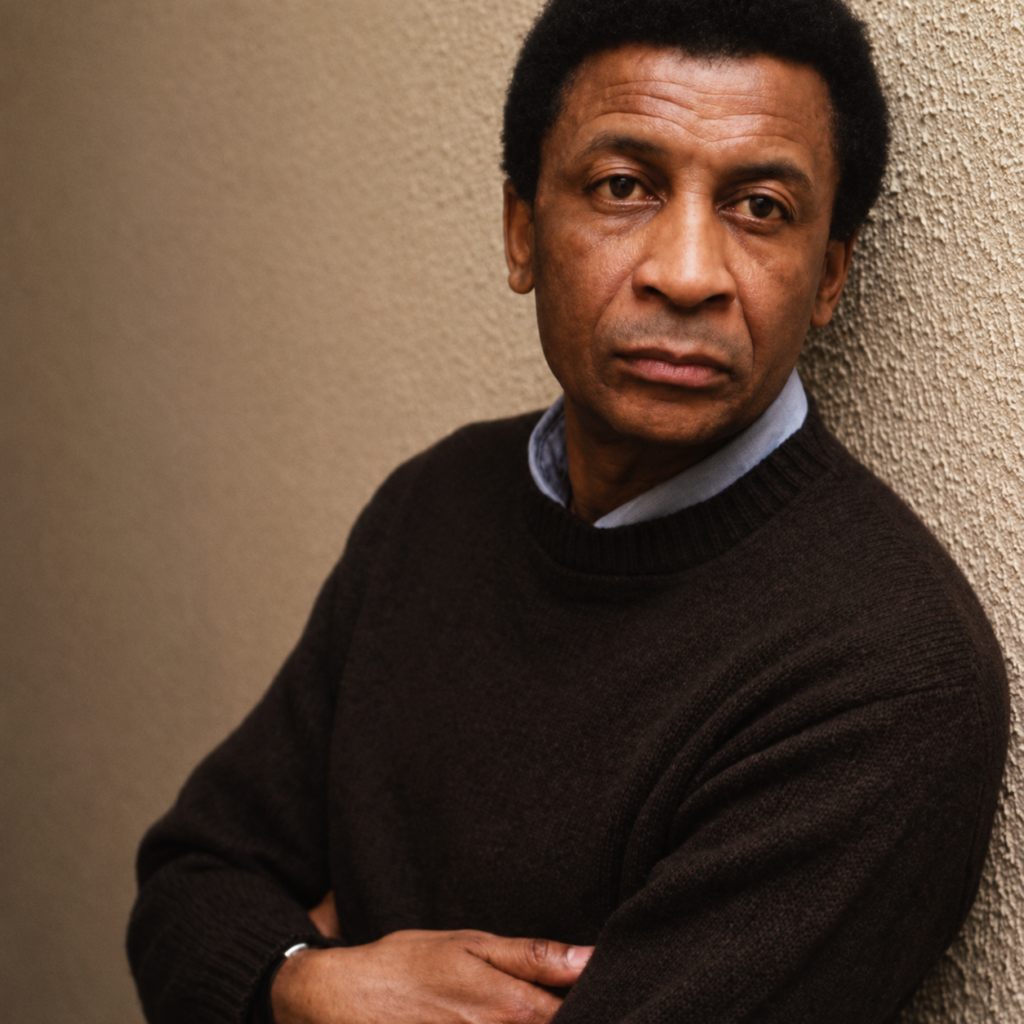
- Abdullah Ibrahim
The melodies that once drifted across continents, carried the pain of a nation and celebrated the triumph of a people, have fallen silent.
South Africa awoke to heartbreaking news on Monday as legendary jazz pianist and composer passed away at the age of 91.
The revered musician died peacefully in Germany following a short illness, surrounded by his loved ones, bringing to a close one of the most remarkable musical journeys in South African history.
His passing leaves an emptiness that words can scarcely describe. For generations of South Africans, Abdullah Ibrahim was more than a musician. He was a storyteller, a cultural ambassador and a guardian of memory whose piano spoke when many voices were silenced.
Today, tributes continue to pour in from every corner of the world. Fellow musicians, political leaders, cultural institutions and ordinary citizens are united in grief, paying homage to a man whose music transcended race, geography and time. Yet amid the sadness, there is profound gratitude for a life lived in service of art, humanity and freedom.
Few compositions captured the soul of South Africa quite like Mannenberg. Created during some of the darkest years of apartheid, the piece became an anthem of resilience and hope. Its unmistakable melody echoed through townships, concert halls and liberation gatherings, reminding millions that dignity and freedom could never be extinguished.
Born Adolph Johannes Brand in Cape Town in 1934, Ibrahim’s rise from the streets of the Mother City to the grand stages of the world remains one of South Africa’s greatest cultural success stories. His unique ability to blend African rhythms, spiritual depth and jazz improvisation earned him global acclaim and established him as one of the most influential musicians of his generation.
Across more than seven decades, he collaborated with some of the world’s finest artists while never losing touch with the sounds and stories of home. Whether performing before international audiences or composing in quiet reflection, his work consistently carried the heartbeat of South Africa.
His music chronicled struggle and celebration, exile and homecoming, sorrow and hope. It connected generations and reminded listeners that even in the face of adversity, beauty can emerge through creativity and perseverance.
As the nation mourns, it also celebrates a life that enriched the cultural fabric of South Africa and inspired countless young musicians to dream beyond their circumstances. Abdullah Ibrahim’s contribution cannot be measured merely in albums, awards or performances. His true legacy lives in the emotions he stirred, the barriers he broke and the spirit he awakened.
The man may have departed, but the music remains.
Long after the applause has faded and the concert halls have emptied, the notes of Abdullah Ibrahim’s piano will continue to echo through the soul of South Africa, a timeless reminder that greatness never truly dies.
Rest in peace, maestro. The piano has fallen silent, but your song will play forever.
IMAGES SOURCED